As the construction and design worlds keep evolving, Wpc Panels are really stepping into the spotlight. They’re becoming a pretty popular choice because they’re super versatile and a more eco-friendly option compared to traditional materials. Looking ahead to 2025, lots of industry folks are predicting some really exciting trends that will influence how we use WPC panels—whether it’s for cozy homes or busy commercial spaces. So, in this article, I’ll walk you through the top WPC panel trends you should keep on your radar if you want to stay ahead of the game with your projects.
One big thing to watch out for is the growing push towards eco-friendliness. More architects and designers are chasing sustainable materials that don’t just look good but also help lower environmental impact. On top of that, advances in technology are opening up whole new possibilities for design—more customization, more flexibility, you name it. As you start planning your future projects, getting a handle on these trends with WPC panels will help you make smarter choices that satisfy clients’ demands while also sticking to eco-conscious practices.
Emerging WPC Panel Materials and Technologies for 2025
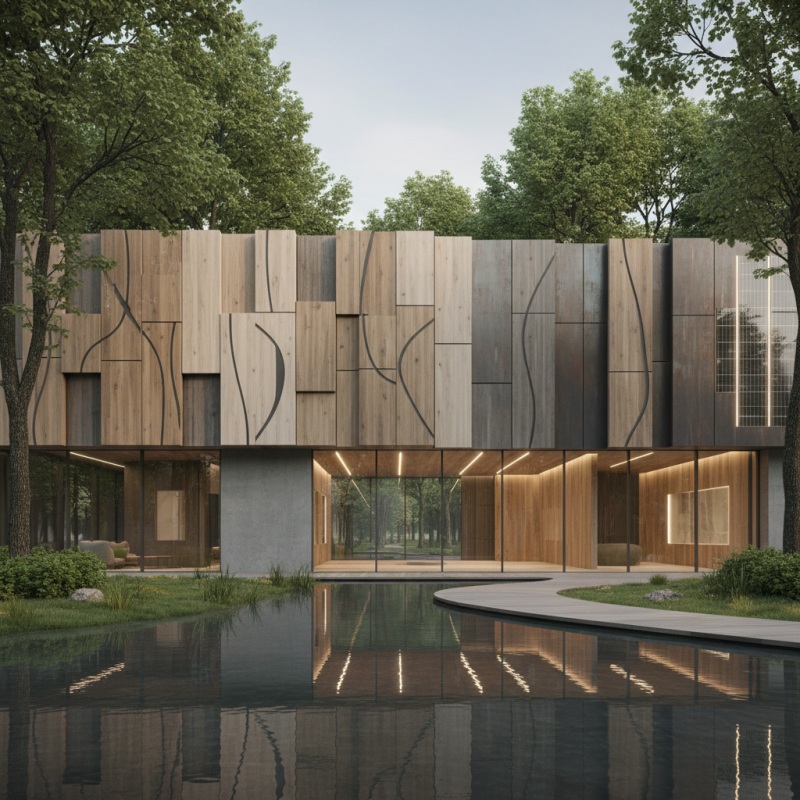
As we look ahead to 2025, the WPC (Wood Plastic Composite) panel industry is poised to embrace a range of innovative materials and technologies that will redefine project standards and applications. Emerging trends highlight a strong focus on sustainability, with manufacturers increasingly utilizing recycled materials to create WPC panels that not only perform well but are also environmentally friendly. This shift towards greener alternatives is a response to heightened consumer demand for eco-conscious building materials, setting a new benchmark for construction projects.
In addition to sustainable practices, advancements in manufacturing technologies are facilitating the development of lighter, stronger, and more versatile WPC panels. Enhanced extrusion techniques and improved composite formulations allow for greater versatility in design, enabling architects and builders to push the boundaries of traditional applications. Moreover, smart technologies integrated into WPC panels, such as moisture management systems and UV resistance features, are gaining traction, ensuring longevity and low maintenance for projects while enhancing overall performance. These trends suggest that the future of WPC panels will not only involve but also functional advancements that cater to evolving industry needs.
Key Aesthetic Trends in WPC Panel Design and Application
As we approach 2025, the landscape of wood-plastic composite (WPC) panels is evolving, revealing exciting aesthetic trends that are set to redefine design and application across various sectors. The increasing demand for sustainable building materials has driven WPC manufacturers to innovate not only in functionality but also in appearance. According to a recent market report, the global WPC market is expected to reach $9.7 billion by 2027, with a significant portion attributed to the burgeoning interest in eco-friendly design solutions.
One of the key trends shaping WPC panel aesthetics is the integration of natural textures and colors that mimic traditional wood. This shift is supported by consumer preferences for materials that resonate with nature, a phenomenon highlighted in a study by the Freedonia Group, which found that 57% of interior designers prioritize natural aesthetics in their projects. Furthermore, the incorporation of advanced surface treatments allows for greater versatility and customization, making it possible to achieve varied finishes such as matte, gloss, or even distressed looks, catering to diverse design styles from modern minimalist to rustic chic.
In addition to visual appeal, functionality remains a priority, with WPC panels being designed for both indoor and outdoor use. The emphasis on durability and weather resistance in aesthetic trends ensures that projects are not only beautiful but built to last, aligning with a growing trend of longevity in sustainable architecture. As these aesthetic preferences continue to evolve, WPC panels will undoubtedly play a crucial role in shaping future construction and design practices.
Sustainability: Eco-Friendly Practices in WPC Panel Production
The growing emphasis on sustainability in construction has propelled the development of Wood-Plastic Composites (WPC) panels towards eco-friendly practices. According to a 2022 report by the United States Department of Agriculture, the global WPC market is projected to reach $10 billion by 2027, largely due to increased demand for sustainable building materials. This surge highlights the industry's commitment to reducing its environmental impact through the use of recycled materials, particularly post-consumer plastics and reclaimed wood fibers. Research indicates that up to 70% of the materials used in WPC panel production can be sourced from recycled content, significantly lowering the carbon footprint of these products compared to traditional wood or plastic options.
Moreover, advancements in manufacturing processes have led to greater energy efficiency and waste reduction in WPC production. A study by the European Composites Industry Association suggests that modern WPC manufacturing can reduce energy consumption by up to 30% compared to earlier methods. This shift not only conserves natural resources but also aligns with global sustainability goals. Furthermore, the use of biodegradable adhesives and non-toxic additives is becoming more prevalent, ensuring that the end products are not only durable but also safe for the environment. This trend towards greener practices is essential as the building and construction sector strives to meet stricter regulatory standards and consumer expectations for sustainable living.
2025 Top WPC Panel Trends: What You Need to Know for Your Projects - Sustainability: Eco-Friendly Practices in WPC Panel Production
| Trend | Description | Environmental Impact | Benefits | Implementation |
| Recycled Materials Utilization | Incorporating recycled plastic and wood fibers into WPC panels. | Reduces waste and conserves natural resources. | Lower carbon footprint and cost savings. | Sourcing recycled materials from local suppliers. |
| Biodegradable Additives | Using additives that enhance biodegradability of WPC products. | Minimizes environmental pollution at the end of product life. | Promotes sustainability and customer appeal. | Collaborating with chemists to develop effective formulations. |
| Energy Efficient Manufacturing | Adopting processes that minimize energy consumption during production. | Reduces greenhouse gas emissions from manufacturing. | Cost reduction and enhanced brand reputation. | Investing in energy-efficient machinery and technologies. |
| Sourcing from Sustainable Forests | Using wood fibers sourced from sustainably managed forests. | Supports biodiversity and forest conservation. | Ensures long-term availability of materials. | Establishing partnerships with certified suppliers. |
| Water-Based Finishes | Switching to water-based finishes that are less toxic. | Reduces volatile organic compounds (VOCs) in the environment. | Safer for workers and end-users. | Training staff on the use of new materials in production. |
Market Demand: Analyzing Consumer Preferences for WPC Panels
The market for Wood Plastic Composite (WPC) panels is experiencing significant growth, driven by evolving consumer preferences and increasing awareness of sustainable materials. According to a recent report by Grand View Research, the global WPC market is expected to reach approximately $12 billion by 2025, growing at a compound annual growth rate (CAGR) of around 11.2%. This surge in demand can be attributed to a variety of factors, including the rise of eco-friendly building practices and the versatility of WPC materials in applications ranging from decking to interior paneling.
Consumer preferences indicate a strong inclination towards products that combine durability and aesthetic appeal. A survey conducted by Research and Markets revealed that 65% of homeowners prioritize sustainability and low maintenance in their building materials. Furthermore, the interest in customized design options has led to an increased demand for WPC panels that can effectively mimic the look of natural wood while boasting enhanced resistance to moisture and pests. As consumers become more educated about the benefits of WPC, manufacturers are compelled to innovate and respond to these preferences, ultimately shaping the future landscape of the construction materials industry.
Installation Innovations: Techniques and Tools for WPC Panels
The landscape of WPC (Wood-Plastic Composite) panel installation is rapidly evolving, driven by innovations that enhance efficiency and effectiveness. One of the most significant advancements is the development of specialized tools designed for precision cutting and fitting. These innovative tools allow contractors to perform cleaner cuts, reducing waste and ensuring a perfect fit for every panel. Additionally, the introduction of powerful handheld machines has streamlined the installation process, allowing for quick adjustments and enhanced mobility on job sites.
Moreover, installation techniques are becoming more sophisticated, with an emphasis on speed without compromising quality. For instance, newer adhesive technologies enable better bonding and quicker drying times, making it easier to secure panels in place. Techniques such as the use of modular panel systems not only facilitate faster installation but also simplify repairs and replacements. As these methods become more widely adopted, they are likely to set new standards in the industry, ensuring that each project is completed with precision and ease. Embracing these innovations will be crucial for professionals looking to stay ahead in the competitive WPC panel market.
Durability and Maintenance: Long-Term Performance of WPC Panels
When considering the long-term performance of WPC (Wood-Plastic Composite) panels, durability and maintenance emerge as critical factors for project planners and builders. According to the "2023 WPC Market Report," the demand for WPC products has surged, projected to reach a compound annual growth rate (CAGR) of 12.7% by 2025. This increased interest is largely driven by the materials' resilience against environmental factors, such as moisture and ultraviolet (UV) exposure, which significantly impacts overall lifespan.
WPC panels are engineered to withstand the rigors of outdoor applications, exhibiting superior durability compared to traditional wood. Research indicates that when properly maintained, WPC panels can last over 25 years, significantly reducing the frequency of replacements and repairs. A study by the Building Research Establishment highlights that WPC materials experience up to 50% less decay when exposed to damp conditions compared to conventional wood.
Additionally, maintenance requirements are minimal; routine cleaning with soap and water can suffice, omitting the need for harsh chemicals or frequent refinishing, making them an increasingly popular choice for sustainable building projects.
Future Outlook: Predicting the WPC Panel Industry Landscape in 2025
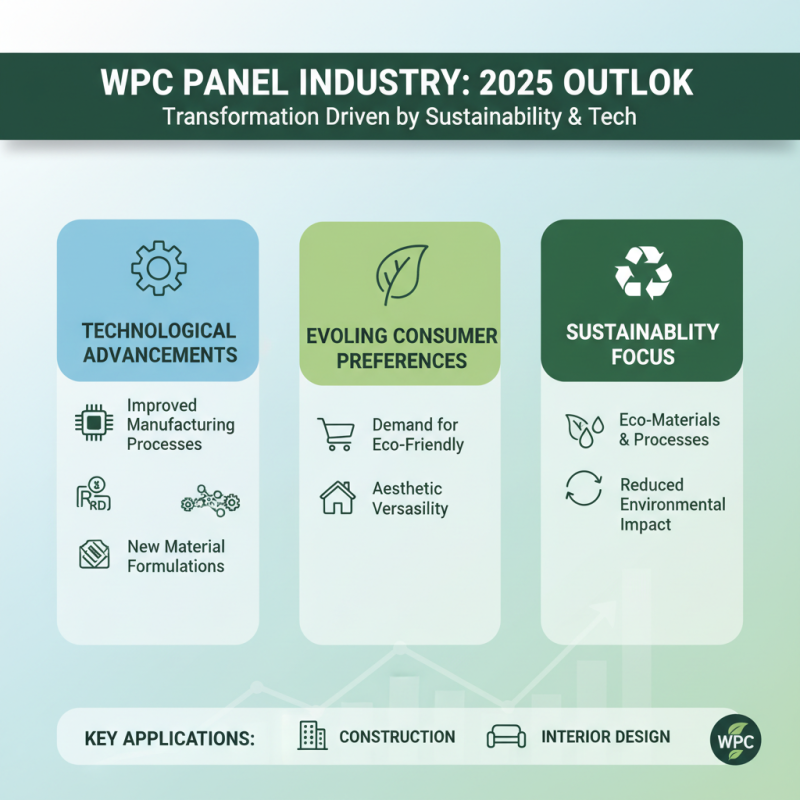
The WPC (Wood-Plastic Composite) panel industry is poised for significant transformation by 2025, driven by advancements in technology and evolving consumer preferences. As sustainability continues to take center stage, manufacturers are increasingly focusing on eco-friendly materials and processes. This trend will likely enhance the appeal of WPC panels in various applications, particularly in construction and interior design, where the demand for sustainable alternatives is surging.
In terms of innovation, technological advancements will play a pivotal role in shaping the WPC panel industry landscape. Enhanced manufacturing techniques will lead to improved durability and aesthetic options, allowing for more creativity in design. This evolution will not only cater to residential uses but will also find its place in commercial projects, promoting a wider acceptance of WPC panels in diverse settings. Additionally, the industry may see a rise in customization options, enabling clients to select materials and finishes that align with their specific tastes and needs, thereby further spurring the market's growth.
Transform Your Space: A Comprehensive Guide to Waterproof WPC Wall Panels and Cladding Solutions for Interior Decoration
Transforming your space with waterproof WPC (Wood Plastic Composite) wall panels and cladding solutions opens up a wealth of possibilities for interior decoration. These innovative wall panels, primarily composed of bamboo wood fibers and plastic composites, combine the aesthetic appeal of natural wood with enhanced performance. Their unique formulation provides benefits that traditional materials cannot offer; they are resistant to deformation, cracking, and corrosion, making them particularly suitable for a variety of indoor environments. According to industry reports, the increasing demand for sustainable building materials has made WPC materials highly sought after, with the market projected to grow significantly in the coming years.
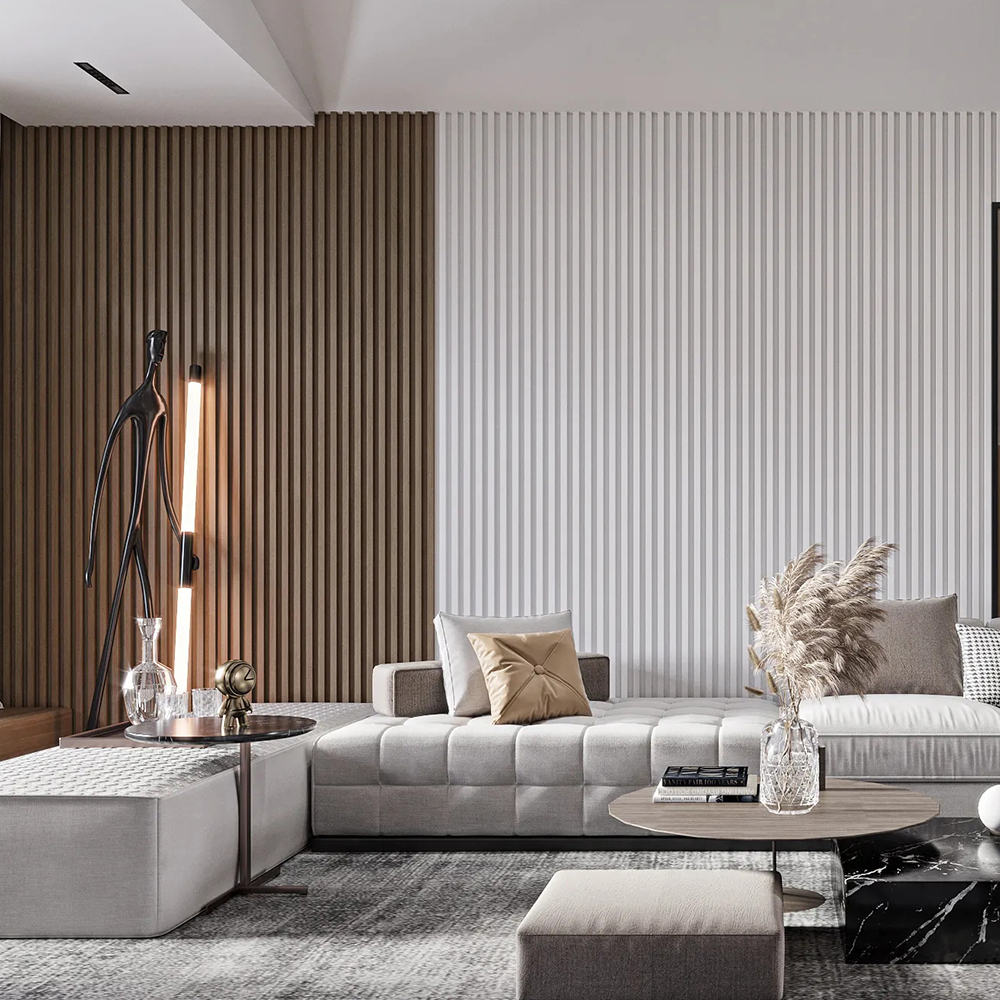
WPC indoor grille wall panels not only deliver on durability but also boast a diverse range of appearance styles, catering to the personalized needs of users. The elegant grille design introduces an element of hierarchy to interior spaces, elevating the overall decorative effect. With options available that mimic the rich textures of hardwood, WPC panels allow homeowners and designers alike to create the desired ambience while ensuring longevity. Research shows that using composite materials in interior design contributes to improved thermal insulation and energy efficiency, providing an added layer of appeal for environmentally-conscious consumers.
The versatility of WPC wall panels also extends to ease of installation and maintenance, further enhancing their attractiveness as a solution for interior decoration. As the trend towards modernization and sustainable living grows, integrating waterproof WPC wall panels into your design plans represents a step towards both style and practicality, confirming their role as a key player in contemporary interior design. The ongoing advancements in WPC technology reinforce its position as a leading choice in the construction and decor industries, supporting creative freedom while prioritizing durability and sustainability.
FAQS
: WPC panels are materials made from a combination of wood fibers and plastic, and they are important due to their eco-friendly properties and sustainability in construction. They utilize recycled materials, significantly reducing environmental impact.
Research indicates that up to 70% of the materials used in WPC panel production can come from recycled content, which helps to lower the carbon footprint compared to traditional options.
Advancements in WPC manufacturing have resulted in increased energy efficiency and waste reduction, with modern processes consuming up to 30% less energy than previous methods.
The production of WPC panels increasingly involves biodegradable adhesives and non-toxic additives, ensuring that the end products are durable and environmentally safe.
The growth of the WPC market is driven by rising consumer demand for sustainable building materials, eco-friendly practices, and the versatility of WPC in various applications like decking and interior paneling.
A survey found that 65% of homeowners prioritize sustainability and low maintenance in their building materials, indicating a strong preference for eco-friendly options.
Increased interest in customized design options is leading to greater demand for WPC panels that can mimic natural wood while offering enhanced resistance to moisture and pests.
The global WPC market is projected to grow significantly, reaching approximately $12 billion by 2025, with a compound annual growth rate of about 11.2%.
WPC panels contribute to sustainability goals by utilizing recycled materials, reducing energy consumption, and offering eco-friendly alternatives to traditional construction materials.
The construction sector faces challenges in meeting stricter regulatory standards and addressing consumer expectations for sustainable living, pushing for a shift towards greener practice.
Conclusion
The article "2025 Top WPC Panel Trends: What You Need to Know for Your Projects" explores the evolving landscape of WPC (Wood Plastic Composite) panels, highlighting key trends for the upcoming years. Emerging materials and technologies are set to enhance the functionality and aesthetic appeal of WPC panels, while sustainability practices continue to play a crucial role in production processes.
The demand for WPC panels is analyzed through consumer preferences, indicating a shift towards eco-friendly and durable options. Innovative installation techniques and tools are being developed to streamline application processes, ensuring long-term performance and ease of maintenance. Overall, the article provides valuable insights into the future outlook of the WPC panel industry, projecting significant advancements and an increasing emphasis on environmental considerations by 2025.

 Hot Selling