Panel Wpc interior design is really about blending function with style. It’s such an interesting approach—using wood-plastic composite materials that pack quite a punch in terms of benefits. These panels are super versatile and sturdy. Plus, they’re resistant to moisture and pests, so they work well in all sorts of environments, big or small.
Adding Panel WPC to your space can totally boost its look. The textured finishes are pretty impressive—they can mimic natural wood, bringing a cozy, warm vibe. And the best part? They come in all sorts of colors and patterns, so you can really personalize your design. This kind of versatility makes them a hit with both homeowners and interior designers alike.
Of course, there’s always a little something to keep in mind. While Wpc Panels are durable, they might come with a higher price tag upfront compared to traditional options. And, not all brands use eco-friendly methods during production, so it’s worth doing your homework before buying. Despite some hiccups, in many cases, the advantages outweigh the downsides. Overall, Panel WPC really offers a pretty appealing alternative for modern interiors.
What is Panel WPC in Interior Design?
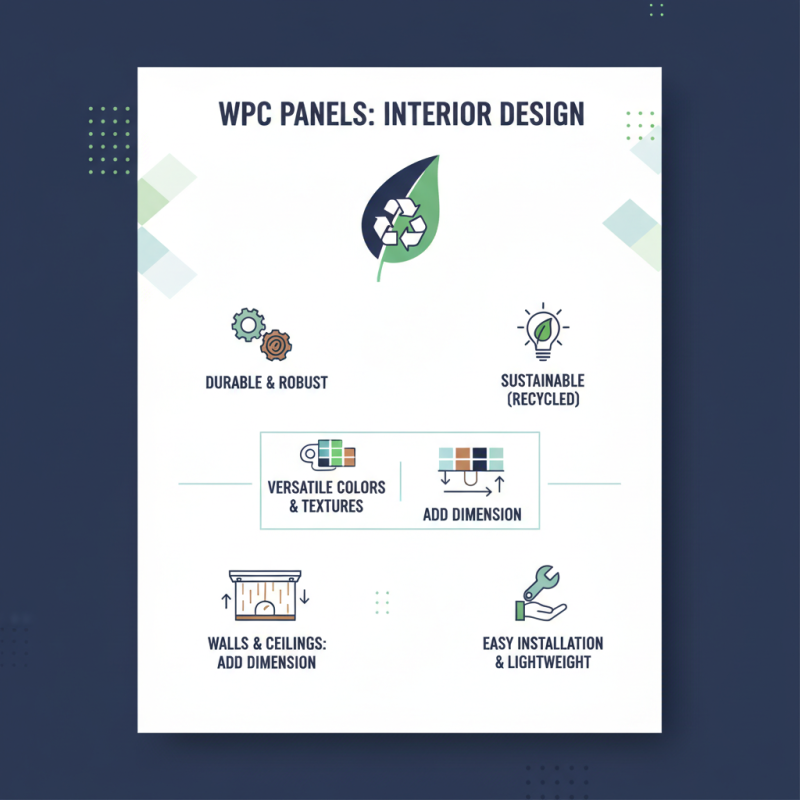
Panel WPC, or Wood Plastic Composite, has become popular in interior design. This material combines the best features of wood and plastic. It offers durability while maintaining an aesthetic charm. Made from recycled materials, it promotes sustainability. WPC panels are lightweight and easy to install. They come in various colors and textures, fitting different design themes. Whether used for walls or ceilings, they add dimension to a space.
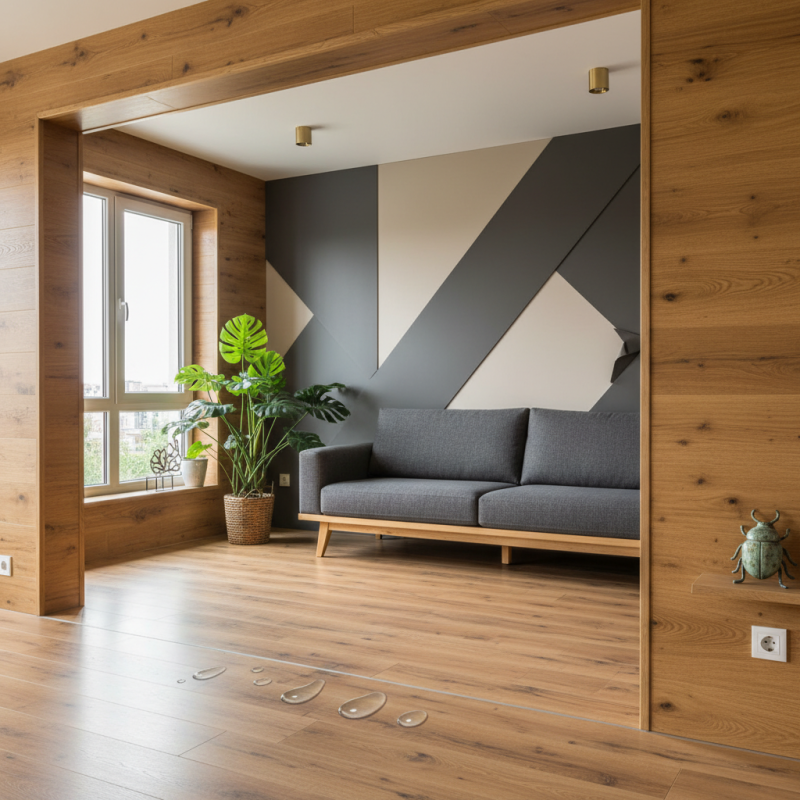
One of the notable advantages of Panel WPC is its resistance to moisture and pests. This is crucial for areas prone to humidity. Unlike traditional wood, WPC does not warp or crack easily. However, it's important to consider that WPC may not have the same warmth as natural wood. Some users find it lacks an authentic feel. Regular cleaning is also necessary to maintain its appearance. Dust and grime can build up, affecting its aesthetic.
Incorporating Panel WPC can spark creativity in a design. It can mimic natural materials, giving a unique twist to interiors. Yet, the challenge lies in choosing the right style and finish. Overusing it might risk overwhelming a space. Reflecting on the balance between materials is essential. The goal is to create an inviting atmosphere, rather than a cluttered one.
The Composition and Properties of Panel WPC Materials
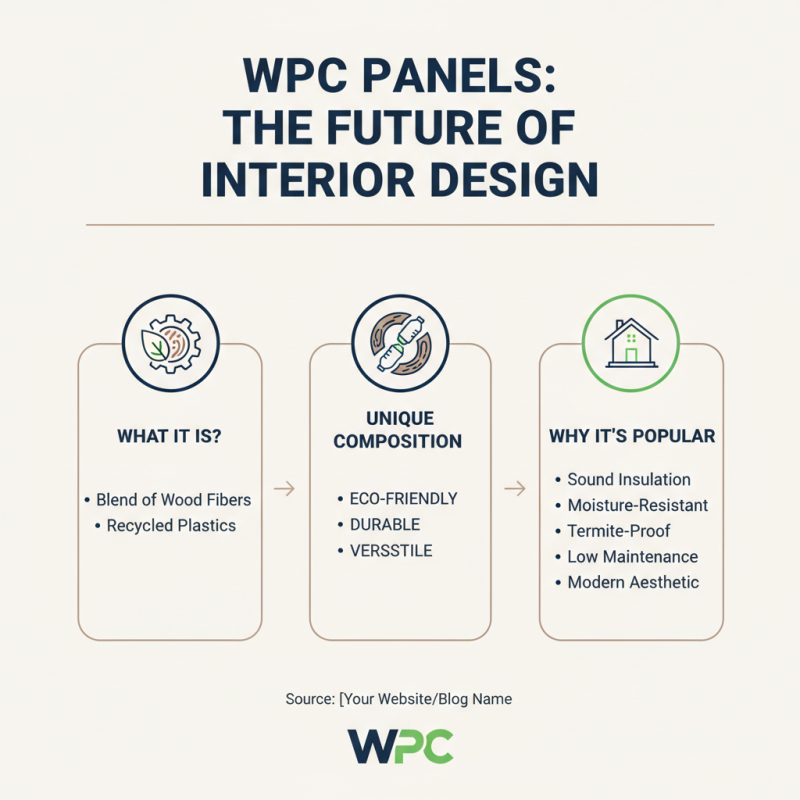
Panel WPC, or Wood Plastic Composite, materials are gaining popularity in interior design. This is due to their unique composition. WPC is made from a blend of wood fibers and recycled plastics. This combination creates a durable and versatile material.
The properties of panel WPC are impressive. They are resistant to moisture, which reduces the risk of warping. This makes them suitable for high-humidity environments like bathrooms. WPC panels also offer good thermal insulation. This can help to maintain a comfortable indoor temperature.
Yet, not everything is perfect. Some users have noted that WPC can scratch easily. Others mention that the color may fade over time. Choosing the right finish can be tricky. It's important to consider these factors when selecting WPC for your project.
Environmental Benefits of Using Panel WPC for Interiors
Using Panel WPC for interior design offers notable environmental benefits. These panels typically combine wood fibers and recycled plastics, creating a sustainable alternative to traditional materials. According to recent reports, WPC products can reduce carbon emissions by up to 40% compared to conventional wood products. This is a significant step toward a greener future.
Manufacturing Panel WPC requires less energy. A study found that energy consumption could be reduced by 30% in the production process. This energy efficiency can lower overall costs and minimize environmental impact. Additionally, WPC panels are resistant to moisture. This feature reduces the need for chemical treatments that can harm the environment.
Tip: When choosing materials, always look for certifications that ensure sustainability. Consider local suppliers to cut down on transportation emissions.
Investing in Panel WPC may seem like a small step, but it adds up. Anecdotal evidence suggests that a shift toward these materials can foster greater eco-awareness among consumers. This shift reflects a growing recognition of the importance of sustainable living. Remember, every little choice counts.
Durability and Maintenance Advantages of Panel WPC
Panel WPC, or Wood Plastic Composite, offers notable durability and maintenance benefits in interior design. These panels are highly resistant to moisture, making them ideal for areas prone to humidity, such as kitchens and bathrooms. Unlike traditional wood, they do not warp or swell when exposed to water. This feature helps maintain a clean and polished look over time.
Cleaning WPC panels is effortless. A simple wipe with a damp cloth can remove dust and stains. This low-maintenance requirement is appealing for busy households. However, it's crucial to avoid abrasive cleaners, which can scratch the surface. Some users notice minor wear in high-traffic areas over time. Regular maintenance can help mitigate this issue.
Another benefit is the versatility of WPC panels. They can mimic the appearance of wood or other materials, allowing for creative designs. However, some may find the finish less natural than real wood. Each panel may differ slightly in texture and color, creating a varied aesthetic but also leading to mismatched appearances in large projects. Careful selection and installation can minimize this challenge.
What are the Benefits of Using Panel WPC Interior Design? - Durability and Maintenance Advantages of Panel WPC
| Feature | Description | Benefit |
| Durability | Resistant to moisture, decay, and insects. | Long lifespan and reduced replacement costs. |
| Low Maintenance | Requires minimal cleaning and upkeep. | Saves time and labor costs for property owners. |
| Eco-friendly | Made from recycled wood fibers and plastics. | Sustainable choice that reduces environmental impact. |
| Aesthetic Variety | Available in various colors, textures, and finishes. | Enhances interior design flexibility and appeal. |
| Fire Resistance | Engineered to be fire-retardant. | Increases safety with reduced fire risk. |
Aesthetic Versatility of Panel WPC in Design Applications
The aesthetic versatility of Panel WPC (Wood Plastic Composite) in interior design is increasingly recognized. These materials bring a unique combination of wood aesthetics and plastic durability. They offer a wide range of colors and textures, allowing designers to create beautiful spaces tailored to various tastes.
According to a recent market analysis, the global demand for WPC materials is projected to reach $9.3 billion by 2025. This growth reflects an increasing preference for sustainable and low-maintenance materials. Panel WPC can mimic the look of traditional wood while providing superior resistance to moisture and pests. This makes it an ideal choice for kitchens and bathrooms.
Yet, not all WPC products are created equal. Some may suffer from fading over time or warping under extreme conditions. It’s crucial for designers to carefully evaluate the quality of materials. While WPC can enhance visual appeal, it also requires thoughtful consideration of the environmental impact and lifecycle of these products. Balancing aesthetics with functionality can be a challenge, but it is essential for creating lasting interiors.
Cost-Effectiveness of Panel WPC Compared to Traditional Materials
When considering interior design, cost-effectiveness is a key factor. Panel WPC is often cheaper than traditional materials. This affordability does not compromise quality. In fact, many find it more durable. It resists moisture and doesn't warp easily, unlike wood.
Using Panel WPC can save on installation costs too. Its lightweight nature makes it easier to handle. Many installers report quicker setup times. This efficiency can lead to lower labor fees. However, the initial investment in some high-quality WPC panels might be higher than cheaper alternatives.
Aesthetics also play a role in decision-making. Panel WPC offers various textures and colors. Homeowners can achieve a beautiful look without a hefty price tag. Despite this, some might find it lacks the natural feel of traditional materials. There’s an ongoing debate about authenticity versus modern alternatives. Reflecting on these choices is crucial for anyone in the design process.
Benefits of Using Panel WPC Interior Design
This bar chart illustrates the benefits of using Panel WPC in interior design, highlighting key areas such as cost-effectiveness, durability, aesthetics, maintenance, and environmental impact, with their respective advantages rated on a scale of 100.
Installation Process and Considerations for Panel WPC Products
When considering the installation of Panel WPC products, proper planning is crucial. Start by measuring your space accurately. Ensure the walls are clean and dry. A level surface is essential for a smooth application. Some areas might have imperfections, and addressing these is necessary for a flawless finish. Take the time to fix any underlying issues.
Next, gather your tools and materials. You'll need adhesive, a utility knife, and a measuring tape. Familiarize yourself with the paneling system. It might differ slightly from typical installations. Be prepared for adjustments. Each panel may not fit as perfectly as you hope.
During the installation process, patience is key. It can be frustrating when panels don’t align perfectly. Allow yourself time to make corrections. It’s important to understand that installation can sometimes reveal unexpected challenges. Working with a partner can ease this process, providing assistance and a second opinion. Ultimately, taking extra time to install Panel WPC can lead to beautiful results.
FAQS
: The product aims to solve specific daily challenges effectively. It simplifies tasks for users.
It is designed for various users, including professionals and students. Everyone can benefit from it.
The product operates using a simple interface. Users can easily navigate through its features.
Yes, users can utilize it for planning, organization, and productivity. Each case highlights its versatility.
Some users may find initial usage confusing. However, most adapt quickly with practice.
Users can reach out to support for assistance. They usually respond timely to resolve concerns.
Yes, it allows multiple user accounts. This feature promotes collaboration and sharing among users.
Feedback is valuable. Users should reflect on their experiences and evaluate what could be improved.
Yes, users can provide feedback directly. Sharing thoughts can lead to better future updates.
Updates occur periodically to enhance functionality. Regular improvements ensure a better user experience.
Conclusion
Panel WPC (Wood Plastic Composite) is an innovative material widely used in interior design, offering a blend of durability and aesthetic appeal. Composed of a mixture of wood fibers and plastic, Panel WPC presents numerous advantages including environmental benefits, such as reduced deforestation and lower carbon footprints. This material is not only resistant to moisture and pests, but also requires minimal maintenance, making it a practical choice for various interior applications.
The aesthetic versatility of Panel WPC allows it to complement diverse design styles, enhancing the overall ambiance of spaces. Additionally, it is generally more cost-effective than traditional materials, providing an economically viable solution for interior projects. When considering installation, Panel WPC products are straightforward to work with, making them an efficient choice for designers and contractors alike. Overall, the use of Panel WPC in interior design stands out for its combination of functionality, sustainability, and style.

 Hot Selling