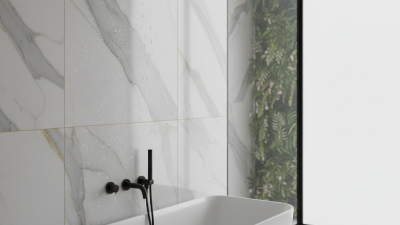
Lately, more homeowners are on the lookout for wall solutions that are both functional and stylish, and waterproof indoor Wall Panels have really started gaining popularity in the design world. I mean, James Thompson from AquaGuard Solutions hits the nail on the head when he talks about how versatile these panels are—he once said, 'Picking the right wall panels can totally change your space and give you that essential protection.' It’s pretty true!
These panels are especially awesome in spots like kitchens and bathrooms where humidity can be a real problem. Not only do they protect your walls from water damage, but they also give the whole space a nicer look. If you’re thinking about what to go with, Bamboo Wall Panels are definitely worth considering—they’re eco-friendly and pretty tough. That said, keep in mind that installing them isn’t always a breeze and sometimes you might need a professional to help out.
Plus, there’s a ton of cool designs and textures out there now, which makes choosing fun. But, fair warning: quality can vary a lot between brands, so it’s a smart idea to do a bit of research and read reviews before you buy. When you’re hunting for the best waterproof wall panels, remember to think about both how they look and how well they work. It’s all about finding that perfect balance between style and performance.
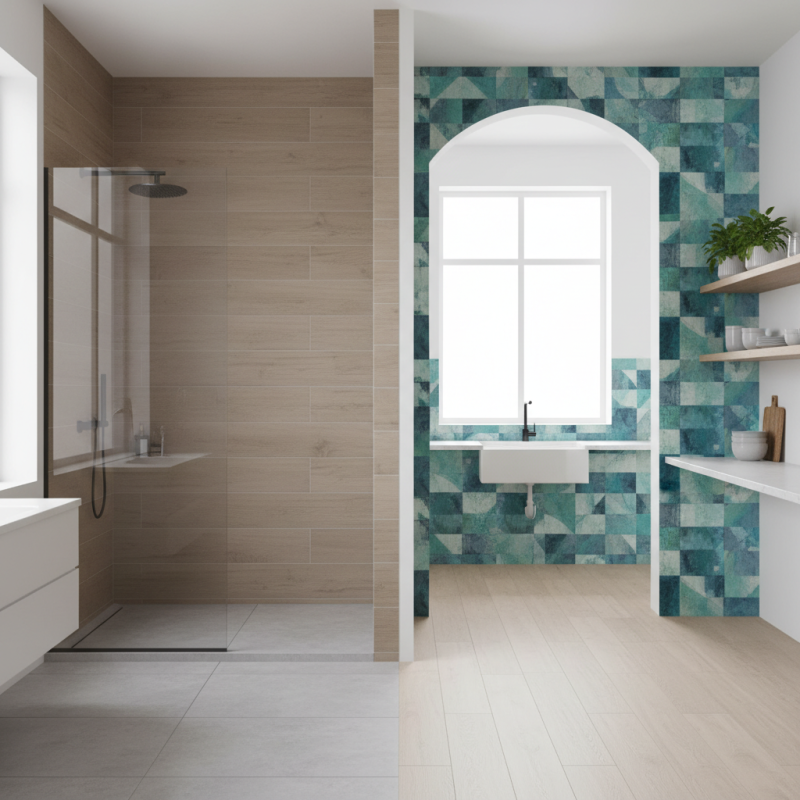
Understanding Waterproof Indoor Wall Panels: An Overview
Waterproof indoor wall panels are becoming increasingly popular. Homeowners desire solutions that offer both functionality and style. These panels provide a protective barrier against moisture, preventing mold and damage. They are ideal for areas like bathrooms, kitchens, and basements, where water exposure is common. Installing waterproof panels can enhance the longevity of your walls while adding aesthetic appeal.
Consider the materials used in these panels. They can range from vinyl to fiberglass. Each material has its unique benefits. Vinyl, for instance, is lightweight and easy to install. Fiberglass offerings, on the other hand, may provide superior durability. However, not all panels perform the same. Some might warp or discolor over time. Homeowners should research thoroughly before making a decision.
Installation is another crucial factor. It's essential to ensure proper sealing to maximize water resistance. Even minor gaps can lead to problems later on. It's also wise to consider the intended room's humidity levels. High humidity areas might require more robust options. Taking the time to assess these aspects can prevent future headaches. Ultimately, informed choices lead to satisfying installations that withstand tests of time.
Key Features to Look for in Waterproof Wall Panels
When choosing waterproof indoor wall panels, focus on key features that enhance both function and aesthetics. Durability is paramount. Panels should withstand moisture and resist mold, especially in bathrooms or kitchens. Look for materials that promise longevity. For instance, panels made from high-density polyethylene or certain composites can be excellent options.
Another essential feature is ease of installation. Many panels come with interlocking systems, which simplify the process, even for novice DIYers. Make sure they blend well with your existing decor. Color and texture can greatly influence the mood of a space. Lighter tones can make a room feel more spacious. In contrast, darker panels may add warmth and intimacy.
Additionally, consider environmental impact. Opt for materials sourced sustainably, like China Bamboo Wall Panels Indoor. Bamboo is both stylish and eco-friendly, reducing your carbon footprint. Pay attention to maintenance needs too. Some products require little upkeep, while others need regular sealing. Find a balance that suits your lifestyle. Remember, the right panels should meet your practical needs without sacrificing style.
Types of Waterproof Materials Used in Wall Panels
When selecting waterproof indoor wall panels, consider the materials used. Various options deliver durability and style. Pvc Panels are popular due to their resistance to moisture and ease of cleaning. They are lightweight and come in various designs, making them versatile for different spaces.
Another common choice is fiberglass-reinforced plastic (FRP). FRP panels resist stains and mold, ideal for kitchens and bathrooms. They require minimal maintenance, which is a significant advantage. However, some homeowners find them less aesthetically pleasing than other options. It's essential to balance functionality and design.
Tips: Always evaluate the specific needs of your space. Consider factors like humidity levels and exposure to water. It’s wise to sample different materials before making a decision. Ensure proper installation to maximize the effectiveness of your chosen panels. In some cases, inadequate installation may lead to water seepage, undermining the benefits of waterproofing.
Benefits of Installing Waterproof Indoor Wall Panels
Waterproof indoor wall panels provide numerous advantages for homeowners. They are designed to resist moisture, mold, and mildew, making them perfect for high-humidity areas. According to a report by Research and Markets, the global market for waterproof wall solutions is expected to grow at a rate of 5% annually. This growth reflects the rising demand for durable and aesthetically pleasing materials.
Investing in waterproof wall panels helps maintain a clean and healthy environment. Traditional materials may warp or degrade over time, leading to costly renovations. Waterproof panels, including options like Wholesale Bamboo Wall Panels Indoor, offer long-lasting performance. Their innovative designs can add elegance to any space while ensuring structural integrity.
**Tip:** Before installation, assess your wall conditions. Make sure the surface is even and free of existing damage. This preparation enhances the effectiveness of the new panels. Proper installation also reduces the risk of water infiltration, ensuring long-term durability. Remember, choosing the right material is crucial for the longevity of your home’s interior.
2026 Best Waterproof Indoor Wall Panels for Your Home Needs
| Panel Type | Material | Water Resistance Rating | Installation Method | Maintenance | Price Range (per sq. ft.) |
| PVC Panels | Polyvinyl Chloride | Excellent | Glue or Clip | Low, easy to clean | $1.50 - $3.00 |
| Fiberglass Panels | Fiberglass Reinforced Plastic | Very Good | Screws or Adhesives | Minimal, resistant to mold | $2.00 - $4.00 |
| Acrylic Panels | Acrylic Glass | Good | Snap-in | Regular, chemical-free cleaner | $3.00 - $5.00 |
| Cement Board Panels | Cement & Fibers | Excellent | Screws | Low, non-porous surface | $2.50 - $4.50 |
| Wood Composite Panels | MDF & Water-resistant Laminates | Moderate | Adhesive | Periodic sealing needed | $1.80 - $3.50 |
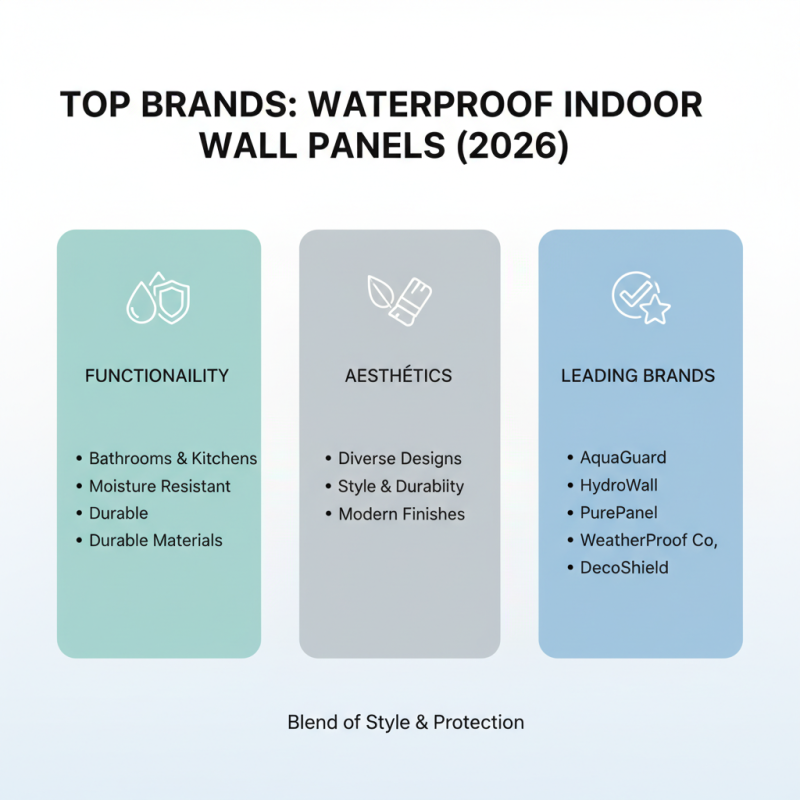
Top Brands Offering Waterproof Indoor Wall Panels in 2026
When seeking the best waterproof indoor wall panels in 2026, various brands rise to the forefront. These panels cater to diverse needs, from bathrooms to kitchens. They offer not just functionality but also aesthetics. A blend of style and durability is crucial. Many options boast resistant materials that hold up against moisture.
Choosing the right panel can be overwhelming. Factors like texture, finish, and color play a significant role. It’s essential to visualize how these panels will look in your space. Consider samples before making a decision. They allow you to see how light interacts with the surface.
Tips: Always check the installation instructions. Some panels need special adhesives. This can affect how waterproof they become. Also, think about maintenance. Simple cleaning can extend their lifespan. Reflect on how the colors and designs will evolve over time. Will they still suit your taste years later? It’s worth considering.
Installation Tips for Waterproof Wall Panels
When installing waterproof indoor wall panels, preparation is key. Always measure your walls carefully before purchasing panels. This ensures you buy enough material, avoiding waste. Consider leveling your walls, as uneven surfaces can lead to installation issues. Choosing a reliable Bamboo Wall Panels Indoor Supplier can also make a significant difference. Quality panels offer better durability and aesthetics.
Before installation, gather all necessary tools. A level, measuring tape, and a saw are essential. Familiarize yourself with the specific panel's installation guidelines. Some panels may require adhesive while others use interlocking systems. If you're using adhesive, apply it evenly. It’s important not to overdo it. Too much adhesive can lead to messy results.
After the panels are installed, take time to check for gaps or misalignments. A small mistake can affect the wall's appearance. Consider adding trim or molding to cover any imperfections. This can enhance the overall look and provide a finished appearance. Remember, taking your time during installation saves you from future problems. Reflect on your work and make adjustments as needed.
Maintenance and Care for Longevity of Waterproof Panels
Maintaining the beauty and functionality of waterproof indoor wall panels requires a thoughtful approach. Regular cleaning is essential. Use a soft cloth and mild soap to wipe away dirt and grime. Avoid abrasive materials that could scratch the surface. This simple practice can extend the life of your panels significantly.
When it comes to care, always inspect for signs of moisture. Even waterproof panels can be vulnerable to humidity. If you notice any peeling or bubbling, address the issue immediately. Ignoring these signs can lead to bigger problems down the line. Enough attention at this stage can save you from costly repairs.
Tips for maintaining your panels include sealing edges and seams regularly. This prevents moisture intrusion. Look for a reliable Bamboo Wall Panels Indoor Manufacturer when selecting your materials. Their expertise can guide you in choosing the best options for your home. Remember, prevention is more effective than trying to fix damage later.
Exploring the Benefits of WPC Fence Panels: Industry Insights on Moisture Resistance, Aesthetics, and Durability for Outdoor Spaces
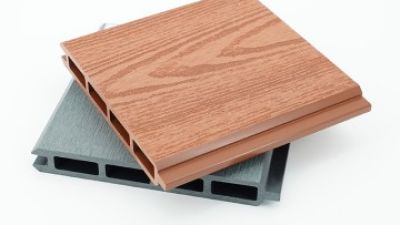
WPC (Wood-Plastic Composite) fence panels represent a significant innovation in outdoor fencing, combining the best of both plastics and natural fibers. These panels are primarily composed of polyethylene and polypropylene mixed with plant materials such as wood powder and rice husks. The production processes employed, including extrusion, compression molding, and injection molding, allow for a range of styles and designs while ensuring high performance.
One of the key benefits of WPC fence panels is their exceptional moisture resistance. Unlike traditional wooden fences that can warp, rot, or decay when exposed to moisture, WPC panels are designed to withstand the elements. This durability means homeowners can enjoy a fencing solution that requires less maintenance over its lifespan, freeing them from the regular upkeep associated with wood.
In addition to their resilience, WPC panels offer an aesthetic appeal that mimics the look and feel of natural wood. This makes them an attractive option for enhancing outdoor spaces, providing a seamless blend of style and functionality. With a variety of finishes and colors available, WPC fence panels can complement any landscape design while contributing to the overall durability and longevity of outdoor structures. These unique attributes make WPC panels a compelling choice for those looking to invest in a reliable and visually pleasing fencing solution for their properties.
FAQS
: PVC and fiberglass-reinforced plastic (FRP) are popular choices. Both offer durability and moisture resistance.
They resist moisture, are easy to clean, and come in various designs. This makes them versatile for different spaces.
FRP panels resist stains and mold. They require minimal maintenance, making them ideal for kitchens and bathrooms.
Evaluate humidity levels and water exposure in your space. Sampling different materials can help with your decision.
Measure your walls carefully. Leveling uneven surfaces can prevent installation problems later.
A level, measuring tape, and saw are essential tools. Familiarize yourself with the installation guidelines for your panels.
Check for gaps or misalignments. Small mistakes can affect appearance; trim or molding can cover imperfections.
It's crucial. Inadequate installation can lead to water seepage, negating waterproofing benefits. Take your time and reflect on your work.
Don’t overdo the adhesive, as too much can cause messiness. Apply it evenly for the best results.
Consider adding trim or molding. This can improve the overall look while covering minor flaws.
Conclusion
Waterproof Indoor Wall Panels are an essential solution for homeowners looking to enhance their living spaces, especially in high-moisture areas like bathrooms or basements. These panels not only provide an attractive finish but also protect against water damage, mold, and mildew. When selecting waterproof wall panels, it’s crucial to consider key features such as material durability, ease of installation, and maintenance requirements.
Different types of waterproof materials can be used, including PVC, fiberglass, and treated wood composites, each offering unique benefits. Installing these panels can significantly improve the longevity of interior walls while also adding aesthetic value. Proper installation and regular maintenance are vital for ensuring their effectiveness and durability over time. Overall, Waterproof Indoor Wall Panels represent a smart investment for any homeowner seeking both functionality and style in their interior design.

 Hot Selling