Have you heard about Wpc Boards, or Wood Plastic Composites? They've really been gaining some traction lately. Basically, it's this cool mix of wood fibers combined with recycled plastics, making a material that's not only tough but also eco-friendly. A lot of companies, like GreenBuild Solutions, are using WPC for all sorts of stuff.
What’s great about WPC is how versatile it is—think outdoor decks, fences, or even furniture. Plus, it resists moisture and insects, which honestly, is a huge bonus. Both homeowners and businesses are starting to see how beneficial it can be.
That said, it’s not all smooth sailing. Some folks have mentioned that the color can fade or the material might warp if it’s in really strong sunlight. And, let’s be real, installing WPC boards can be a bit tricky if you’re not experienced or don’t have the right tools. But overall, most find that the upsides outweigh these little headaches. So, if you're thinking about your next project, give WPC a shot—you might end up loving it!
Understanding WPC Board: Definition and Composition
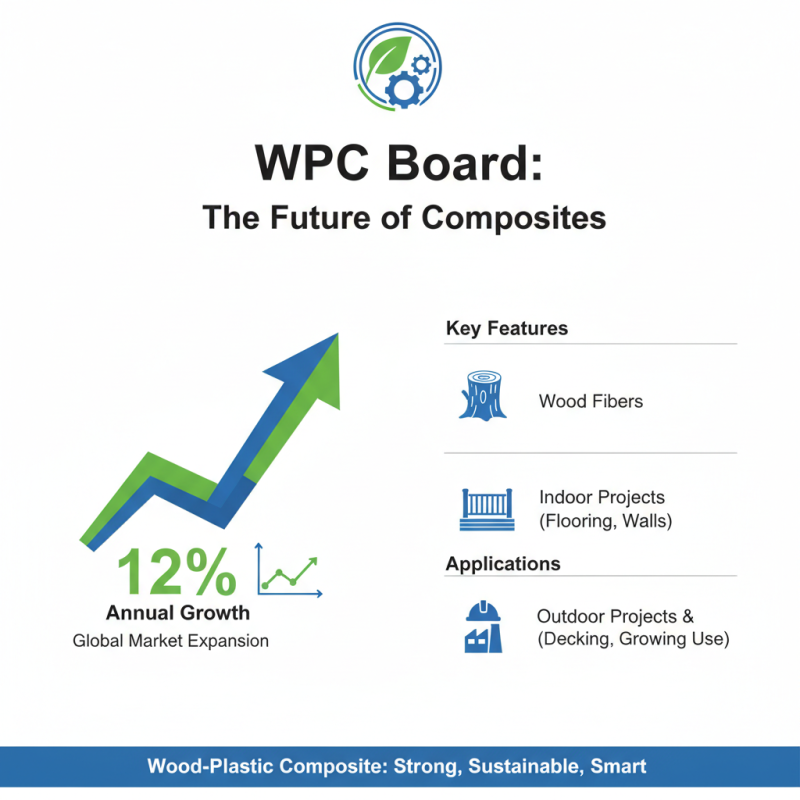
WPC board, or Wood-Plastic Composite, combines wood fibers with plastic. This innovative material is increasingly popular for both indoor and outdoor projects. The blend offers durability while maintaining a natural wood appearance. According to a recent industry report, the global WPC market is expected to grow at a rate of 12% annually. This rise reflects its growing acceptance across various sectors.
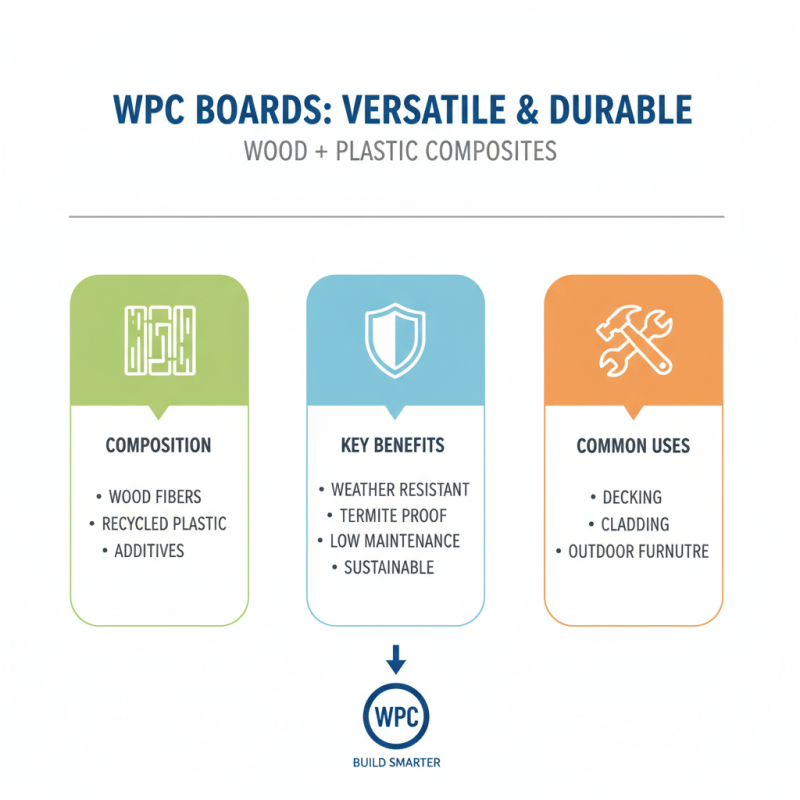
Understanding the composition of WPC is essential. It typically contains 30-70% wood fibers, which provide strength, and 30-70% plastic, which contributes to weather resistance. This balance allows WPC boards to resist fading, warping, and rotting, making them suitable for decking, furniture, and even interior applications. However, not all WPC boards are made equal. Some lower-quality products may have a shorter lifespan or may not perform well in extreme conditions. Users must consider these factors carefully.
Additionally, WPC boards are an eco-friendly alternative to traditional materials. They utilize recycled wood and plastic, reducing waste. Research shows that using WPC can cut down fossil fuel consumption by 25% in production processes. Still, there are challenges. Some manufacturers may not adhere to sustainable practices. This inconsistency raises questions about the environmental benefits of WPC. Therefore, thorough research into suppliers is crucial.
Key Advantages of Using WPC Boards in Construction Projects
WPC boards, made from wood and plastic composites, have gained popularity in construction. Their versatility is impressive. They can be used for decking, fencing, and even furniture. This broad range of applications makes them a preferred choice for many projects.
One key advantage of WPC boards is their durability. Unlike traditional wood, these boards resist rot and insect damage. This means less maintenance over time. It also implies that builders won’t have to replace materials frequently. However, not all WPC boards are equal; quality can vary significantly.
In addition to durability, WPC boards offer aesthetic appeal. They come in numerous colors and finishes, allowing customization. This flexibility can enhance visual appeal on projects. But it’s essential to choose the design wisely; poor color matching might spoil the aesthetics. While WPC boards are a great solution, project planners must constantly assess their effectiveness compared to alternatives.
Common Applications of WPC Boards in Outdoor Environments
WPC (Wood Plastic Composite) boards have gained popularity for outdoor applications due to their durability and versatility. These materials combine wood fibers with plastic, resulting in improved resistance to moisture and pests. A report by the Freedonia Group indicates that the WPC market is projected to reach $1 billion by 2025, reflecting its growing acceptance in various sectors.
In outdoor environments, WPC boards serve multiple purposes. They are commonly used in decking, railing, and fencing. Decking made from Wpc Materials is known for itsslip resistance and low maintenance requirements. This can significantly reduce long-term costs for homeowners and builders. A study published by Research and Markets highlights that WPC decking can last up to 25 years with minimal upkeep, favoring it over traditional wood.
Despite these advantages, challenges remain. WPC boards can warp or fade when exposed to extreme weather. Proper installation is essential to mitigate these issues. Users should consider seeking professionals for advice and guidance during the installation process. Awareness of the board's limitations will help in making informed decisions.
WPC Boards vs. Traditional Wood: A Comparative Analysis
WPC boards, or wood-plastic composites, offer unique advantages compared to traditional wood. They are resistant to moisture, decay, and pests. This makes them ideal for outdoor projects, such as decking and fencing. Unlike wood, WPC does not warp or splinter easily. Their durability often results in lower maintenance costs over time.
However, traditional wood brings its own appeal. Many still love the classic look and feel of natural wood. It can be cheaper upfront, and many find it easier to work with. Yet, wood requires regular treatments and maintenance, which can add to long-term costs. Crafting with wood can sometimes be more satisfying for skilled artisans.
Ultimately, the choice may reflect personal preferences or specific project goals. Consider the environmental impact, too. WPC boards often use recycled materials, which is a plus for eco-conscious builders. But wood has that timeless charm. Balancing cost, aesthetics, and longevity will guide the decision. Each option has strengths and weaknesses worth pondering.
Best WPC Board Uses and Benefits for Your Projects?
| Feature | WPC Boards | Traditional Wood |
| Durability | Highly resistant to moisture, termites, and decay | Prone to rot and insect damage |
| Maintenance | Requires minimal maintenance, easy to clean | Requires regular staining and sealing |
| Cost | Moderately priced with low long-term costs | Can be cheaper upfront, but costly in maintenance |
| Eco-Friendly | Made from recycled materials and can be recycled | Sourced from trees, potentially contributing to deforestation |
| Aesthetics | Available in various colors and textures, mimics wood | Natural wood grain, unique patterns |
| Installation | Easy to install; lighter than wood | Heavier and may require skilled labor |
Best Practices for Installing WPC Boards Effectively
When working with WPC boards, effective installation is crucial. Begin by preparing the space properly. Ensure the surface is clean and dry before laying down the boards. Check for any uneven areas and address them as needed. Gaps in your foundation can lead to issues later.
During installation, pay attention to the climate. High humidity or extreme temperatures can affect the boards. Leave appropriate spacing between the boards to allow for expansion. This can prevent warping or buckling over time. It’s also beneficial to use a proper fastener. It should complement the board style while providing a secure fit.
Lastly, consider the finish. Sealing the edges can enhance durability. Regular maintenance will prolong the life of your project. Remember, installation isn't always perfect. Reflecting on each step can lead to improvements. Learning from mistakes ensures better outcomes in future projects.
Maintenance Tips for Prolonging WPC Board Lifespan
WPC boards, made from wood plastic composite, are popular for outdoor use. To maximize their lifespan, proper maintenance is essential. Regular cleaning keeps them looking pristine. A simple mixture of mild soap and water works wonders. Use a soft brush to remove dirt and grime.
Consider sealing your WPC boards every few years. This prevents moisture damage and enhances appearance. Pay attention to fading. If you notice color loss, it's time for a rejuvenation treatment. Think about placement too. Direct sunlight can cause warping over time.
Storage matters. If you're working on a DIY project, protect your boards from harsh weather. If left outside, they may age quickly. Even regular cleaning might not prevent that. Storing them in a dry, shaded area is ideal. Lastly, check for any signs of damage often. Early repairs save you from bigger issues later on.
WPC Board Uses and Benefits
This chart illustrates the various applications of WPC boards based on their usage frequency. Home decking remains the most common use, followed by outdoor furniture and fencing. Understanding these applications helps in making informed decisions for project planning.
Future Trends in WPC Board Usage and Innovations
The future of WPC (Wood Plastic Composite) boards is promising, driven by sustainability and innovation. A recent report predicts a compound annual growth rate (CAGR) of 11.5% in the WPC market over the next five years. This growth stems from increasing environmental awareness and a shift towards eco-friendly materials. The construction and furniture sectors are adopting WPC boards due to their durability and low maintenance.
Innovative technologies are entering the WPC space. Advances in manufacturing processes are creating better-performing composites. For example, enhanced weather resistance allows WPC to withstand harsh climates. In fact, a study noted that WPC structures can last 25-30 years with minimal degradation. Designers are also exploring new textures and colors, making WPC more appealing for aesthetic applications.
Despite these advancements, challenges remain. The recycling of WPC boards is still not fully effective. Many facilities lack the necessary infrastructure, leading to waste. Furthermore, education around WPC advantages needs improvement within the industry. As awareness grows, so will the potential for WPC applications, pushing boundaries in both residential and commercial projects.
Maximize Your Outdoor Space: The Benefits of Using Anti-UV Co-Extruded WPC Composite Decking Boards
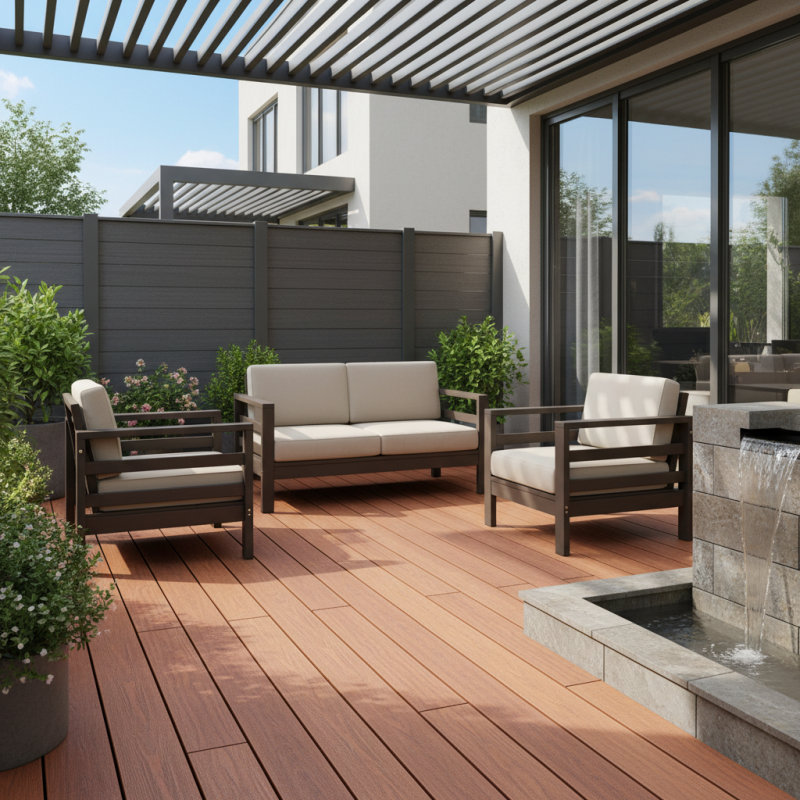
Maximizing your outdoor space can truly enhance the enjoyment of your home, and a fantastic way to achieve this is by using anti-UV co-extruded WPC composite decking boards. These innovative boards are designed not only for aesthetic appeal but also for durability, making them ideal for outdoor environments exposed to varying weather conditions. The use of wood plastic composite (WPC) incorporates both natural wood fibers and high-quality plastics, creating a robust flooring solution that withstands the elements while looking great.
One of the standout benefits of WPC composite decking is its resistance to UV rays. Many traditional decking materials may fade or deteriorate when exposed to sunlight over time, but WPC composite boards maintain their color and structural integrity. This not only keeps your outdoor space looking fresh and inviting but also reduces maintenance efforts. Additionally, the eco-friendly nature of WPC materials, which include recycled wood fibers and plastic waste, aligns with the growing trend towards sustainable home improvement, offering a practical solution for environmentally conscious homeowners.
Installing anti-UV co-extruded WPC composite decking can transform your backyard or patio into a stunning space for entertaining, relaxing, or simply enjoying the great outdoors. With its combination of aesthetics, durability, and sustainability, WPC decking is the perfect choice for anyone looking to maximize their outdoor living area.
FAQS
: It can enhance personal growth. It may improve self-awareness and cultivate essential skills.
Begin with research. Find relevant resources and create a plan that suits your needs.
Yes, there might be challenges. Overcoming habits can be tough and requires dedication.
Results vary by individual. Some may notice changes in weeks, while others could take months.
Yes, you can try. However, support from others can provide motivation and accountability.
It's normal to feel this way. Take breaks and reassess your approach to reduce pressure.
There’s no one-size-fits-all. Explore different methods and find what works best for you.
Set small, achievable goals. Celebrate minor victories to keep your spirits high along the way.
You may encounter self-doubt. Patience and persistence are crucial in tackling personal obstacles.
Reflect on the experience. Examine what went wrong and adjust your strategy moving forward.
Conclusion
WPC Board, or wood-plastic composite boards, have emerged as a popular alternative in the construction industry due to their unique composition and performance characteristics. Comprising a blend of wood fibers and plastic, WPC Boards boast several key advantages, including durability, resistance to moisture and pests, and low maintenance requirements. These boards are particularly well-suited for outdoor applications, such as decking, fencing, and landscaping projects, where traditional wood may falter.
In comparison to traditional wood, WPC Boards offer enhanced longevity and environmental benefits, making them a sustainable choice for various construction needs. To ensure optimal performance, best practices for installation and maintenance are essential, allowing users to maximize the lifespan of their WPC Boards. As technology advances, future trends indicate that innovations in WPC Board production and design will further enhance their versatility and appeal in the market.

 Hot Selling