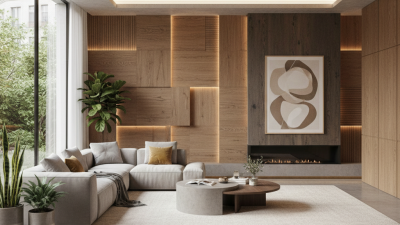
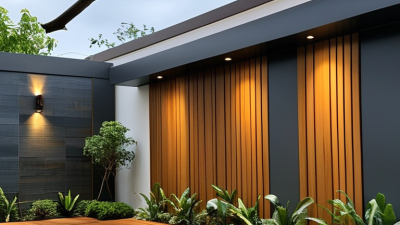
Interior wood Veneer Panels really make a difference in how a space feels. Picking the right veneer can totally elevate the look of a room. I mean, as Mark Thompson, a pretty well-known expert in the industry and the guy behind Veneer Designs, puts it: “The right veneer can turn a good project into something truly exceptional.” It's all about finding that perfect match.
When you're choosing your interior wood veneer panels, it’s worth taking some time to consider a few things. Think about the type of wood grain and the finish, for starters. There are options like, say, Wood Grain Veneer Bamboo Charcoal Wood that give you a really unique vibe. Just keep in mind, colors and textures can vary quite a bit, so it’s good to see what works best for you.
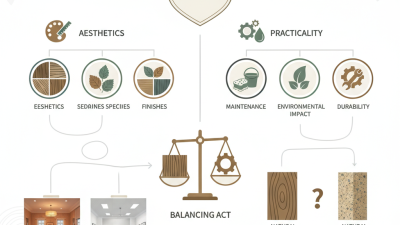
And don’t forget about durability and maintenance. A gorgeous veneer can look amazing at first, but if you don’t give it some TLC, it might not hold up over time. Even experienced designers sometimes overlook this part, so it’s totally normal. Basically, it’s all about balancing how it looks with how practical it is. Finding the right panel that fits your specific project is what’ll make you happy in the long run.
Understanding Interior Wood Veneer Panels and Their Uses
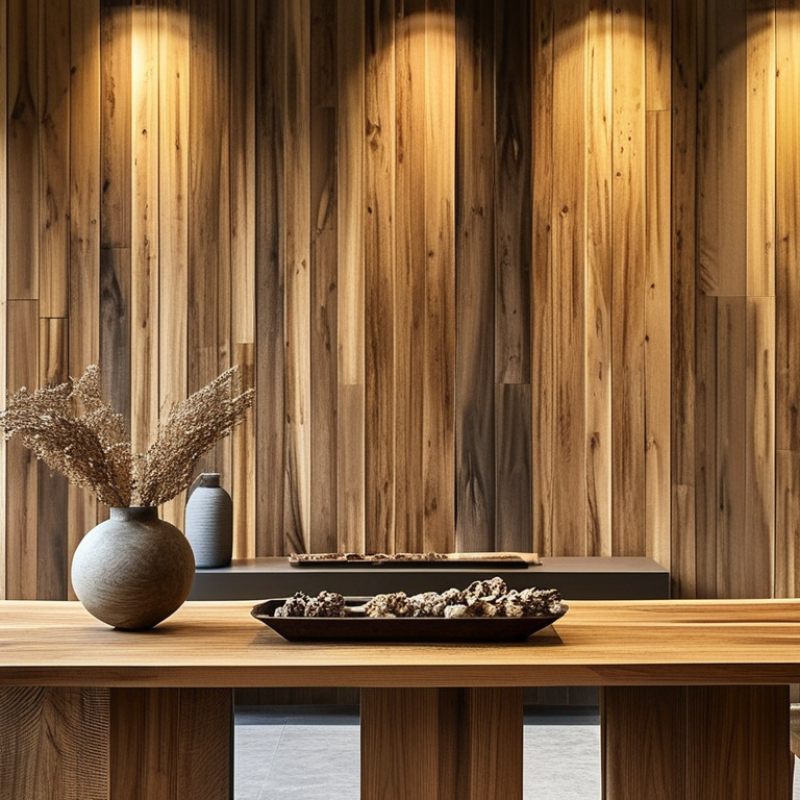
Interior wood veneer panels are popular for their aesthetic appeal and versatility. These panels are made from thin slices of wood glued onto core panels, enhancing the look of furniture and walls. They offer the beauty of solid wood without the heavy cost and weight. Many designers favor them for their ability to create warm and inviting spaces.
When choosing the right veneer, consider the species of wood. Each type brings its unique grain and color. Oak provides a classic look, while walnut adds richness. Additionally, the finish can greatly affect the appearance. A glossy finish may highlight the grain, while a matte finish can create a more subdued look.
It's crucial to select the right thickness, as well. Thicker veneers are sturdier but can be pricier. Think about the intended use. Will the panels face wear and tear? If so, durability becomes key. Reflect on your design goals and how the veneer will complement the rest of your project. Striking a balance between beauty and function ensures a successful outcome, though this can require some trial and error.
Types of Wood Veneer Panels for Interior Applications
When selecting wood veneer panels for interior applications, understanding the types available is crucial. Veneer type influences aesthetics and functionality. Common choices include natural wood, reconstituted, and backer veneers. Natural wood veneers offer unique grain patterns, enhancing visual appeal. They can be ideal for furniture and Wall Panels. However, variations might occur in color and grain. These inconsistencies can lead to unexpected design challenges.
Reconstituted veneers provide a uniform look, making them suitable for modern designs. They are engineered from multiple wood types, mimicking exotic species. This option can create stunning visual effects while being more sustainable. On the other hand, backer veneers reinforce thin layers, ensuring durability. Choosing the right thickness is essential for longevity.
In addition to aesthetics, consider the application environment. Areas with high humidity may not suit certain wood types. Reflecting on these factors can lead to better decision-making. For instance, China Wood Grain Veneer Bamboo Charcoal Wood offers durability and aesthetic versatility. Yet, one must evaluate its compatibility with the overall design. Making informed choices enhances both design integrity and functionality in your project.
Factors to Consider When Selecting Wood Veneer Panels
When selecting wood veneer panels, consider the grain pattern. Different wood species exhibit unique textures and colors. Some may prefer the elegance of oak, while others lean towards the warmth of cherry. These variations directly affect the overall aesthetic of your project. Ensure the chosen veneer complements your existing decor.
Thickness is another crucial factor. Thicker veneers provide better durability and stability. They are less prone to splitting or warping over time. However, thinner veneers may offer more flexibility during installation. Think about the specific application of your project to determine the right choice.
Additionally, pay attention to the finish. Some veneers come pre-finished, which can save time. Others may require sanding and sealing, allowing for greater customization. Reflect on the skill level in your team. A complex finish may lead to frustration for those without experience. Balance your project's needs with the expertise available.
Evaluating Quality: What to Look for in Veneer Panels
When evaluating wood veneer panels for your project, start with the surface quality. Look for a smooth, uniform grain pattern. Uneven surfaces can ruin the aesthetics of your work. Check for knots, defects, or discoloration. These imperfections may indicate lower quality and can affect the durability of the veneer. Always trust your judgment; if the panel feels off, it probably is.
Next, consider the thickness of the veneer. Thicker panels provide better resistance to wear and tear. They are more durable and suitable for high-traffic areas. However, thinner veneers can be more flexible for intricate designs. Balance your project needs with the veneer thickness. Assess the backing material as well. A solid backing enhances strength, supporting long-term use.
It may help to explore options like Wholesale Wood Grain Veneer Bamboo Charcoal Wood for unique finishes. The distinctive texture adds character to your designs. Remember, it's okay to take your time. Finding the right balance between quality and aesthetics may require some trial and error. Reflect on your choices as each project is a learning experience.
Comparison of Different Wood Veneer Panels Quality
Matching Wood Veneer with Interior Design Styles
Wood veneer panels can significantly impact the ambiance of an interior space. Matching the right wood veneer with your design style is crucial. For example, a modern minimalist design may benefit from lighter, simpler veneers. In contrast, rustic designs can use richer, darker woods to create warmth and depth. According to a recent industry report, over 70% of homeowners consider wood finishes essential in their interior choices. This highlights the importance of selecting the right veneer to enhance aesthetic appeal.
Choosing the right wood veneer requires understanding various styles. For contemporary designs, veneers like birch or maple can create sleek, clean lines. Traditional designs often favor oak or cherry for their classic warmth. It's essential to consider the wood grain as well. Some grains add subtle texture, while others can overwhelm a space. A balance is necessary, as too much detail can clash with simpler decor.
Wood Grain Veneer Bamboo Charcoal Wood Supplier notes that careful selection can lead to a harmonious and inviting space. One must reflect on the existing elements. Are the colors and textures in harmony? Here are some thoughts: Always consider the overall theme of your project. Beautiful interiors often derive from thoughtful integration of different materials and finishes. Stay curious about trends, but make sure they resonate with your unique vision.
Sourcing and Purchasing Wood Veneer Panels Effectively
When sourcing wood veneer panels, understanding the variations is critical. The choice of wood grain can significantly impact your project's aesthetic. Selecting the right veneer means considering the wood species, grain patterns, and finishes. Research different types of wood and their characteristics. This knowledge helps in making informed decisions.
Pay attention to sourcing practices. Choose suppliers known for sustainable harvesting. Reliable suppliers often provide certification for their products. This adds credibility to the materials you use. Avoid cheap options that may not meet quality standards. Sometimes, it pays to invest in better-quality veneer.
Tips: Look for suppliers with positive customer reviews. Consider panel thickness, as it affects durability. Check for defects before purchasing. Don't hesitate to ask for samples to assess texture and color. Keeping an eye on these details ensures a satisfying outcome in your project.
Wood Grain Veneer Bamboo Charcoal Wood Manufacturer offers diverse options worth exploring. Their selections can encourage creative designs. Trust in your sourcing process, but do remain skeptical of overly convenient deals. Remember, quality matters more in the long run.
How to Choose the Best Interior Wood Veneer Panels for Your Project
| Dimension | Type of Veneer | Thickness (mm) | Finish Options | Applications |
| 1220 x 2440 mm | Natural Wood | 0.5 | Matte, Glossy | Furniture, Wall Panels |
| 1220 x 2440 mm | Reconstituted Wood | 1.0 | Satin, Textured | Cabinetry, Doors |
| 610 x 2440 mm | Backed Veneer | 0.3 | Lacquered, Oil | Wall Panels, Decorative Pieces |
| 1000 x 3000 mm | Bamboo Veneer | 0.6 | Natural, Stained | Sustainable Designs, Eco-Friendly Projects |
Tips for Installation and Maintenance of Wood Veneer Panels
Choosing the right interior wood veneer panels involves not just selection, but proper installation and maintenance. Begin with a clean surface. Ensure the wall or the furniture is free from dust and moisture. This can be a challenge if you’re working in a humid environment. Consider using a moisture meter to assess the space. If you find excess moisture, it’s crucial to resolve this before applying the panels.
When installing, apply adhesive evenly. Uneven application can lead to bubbles or lifting. While clamps can help secure the panels, they might leave marks. Test on scrap material to find the right pressure. Once the panels are in place, let them cure properly. This might take longer than expected, but it ensures durability. Regularly check for peeling or damage. Wood veneer can be sensitive to temperature changes and might crack if not cared for.
Maintenance is vital for longevity. Avoid excess sun exposure, as this can fade the finish. Dust regularly with a soft cloth to keep the panels looking fresh. Use coasters for furniture to prevent scratches and dents. Reflect on any damage and assess the need for refinishing or replacement. This proactive approach can save time and be more cost-effective in the long run.
Innovative Uses of 3D Printed Customized PVC Sheets for Unique Interior Decoration
The innovative use of 3D printed customized PVC sheets is paving the way for unique interior decoration, particularly through the application of UV marble sheets. These sheets leverage advanced 3D printing technology, incorporating photosensitizers that enable a captivating aesthetic. During the printing process, a specialized UV curing glue is sprayed onto the substrate, which is then instantly cured by ultraviolet light. This rapid curing not only enhances the durability of the panels but also allows for intricate designs and vibrant color combinations that can easily transform any space.
Utilizing 3D printed UV marble sheets adds an artistic flair to interior environments, allowing for personalized decoration that reflects individual styles and tastes. The ability to create customized patterns and textures means that designers and homeowners can experiment with various looks that would be difficult to achieve with traditional materials. Moreover, these sheets are not only visually appealing but also practical, offering resistance to scratches and stains while maintaining a lightweight structure that simplifies installation. The introduction of such innovative materials signifies a shift towards more sustainable and creative practices in interior design, bringing together technology and artistry in a seamless manner.
FAQS
: They are thin slices of wood glued onto core panels, enhancing furniture and walls.
Consider wood species, grain, color, and finish. Each type brings uniqueness.
Thickness affects durability. Thicker veneers resist wear, while thinner ones allow intricate designs.
Check for a smooth, uniform grain pattern. Avoid knots, defects, and discoloration.
Choose suppliers known for sustainable practices. Certification adds credibility to the materials.
Glossy finishes highlight grain, while matte finishes offer a subdued look.
Yes, finding the right balance between quality and aesthetics may take time.
Samples help assess texture and color, ensuring they meet your project's requirements.
Absolutely, different grains significantly impact the aesthetic of your project.
Relying on cheap options without checking quality could lead to unsatisfactory results.
Conclusion
When choosing the best interior wood veneer panels for your project, it's essential to first understand their uses and the various types available for interior applications. Different wood veneer panels can suit diverse aesthetics and functionality, making it crucial to consider factors like wood species, grain patterns, and the panel's intended use. Evaluating quality is also key; look for uniform thickness and minimal defects to ensure durability.
Moreover, matching wood veneer with your interior design style can enhance the overall ambiance of a space. Effective sourcing and purchasing practices will help you find the right panels, and knowing tips for installation and maintenance can ensure your panels maintain their beauty and integrity over time. By following these guidelines, you can successfully select and implement high-quality interior wood veneer panels that elevate your interior design project.

 Hot Selling