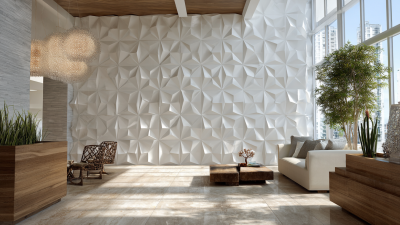
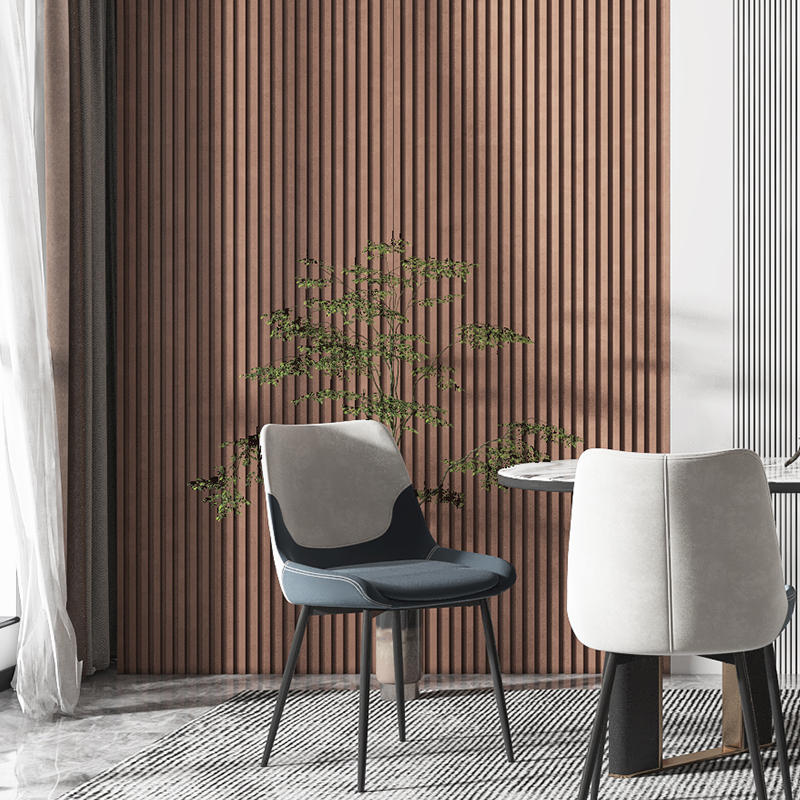
Lately, there's been a big buzz around using Wall Panels in home decor. More folks are looking to jazz up their living spaces with stylish and practical designs that really make a difference. I came across a report from Market Research Future that says the global wall panel market is expected to grow at around 4.5% annually between 2021 and 2027. That growth is mainly driven by people's desire to add some eye-catching appeal, boost insulation, and enjoy easier installation processes.
When you're trying to pick out the best wall panels for your home, it's not just about the looks or the materials—they also have to be functional. Good quality wall panels can totally change the vibe of a room, whether you go for classic wood or modern vinyl. There's a huge variety to match pretty much any style. Plus, the American Institute of Architects points out that wall panels can help with energy efficiency, which is a big deal these days with the whole trend toward more eco-friendly living. As we all become more aware of how our choices impact the environment and our homes, picking the right wall panels really becomes a key step in creating a space that feels personal and just right for you.
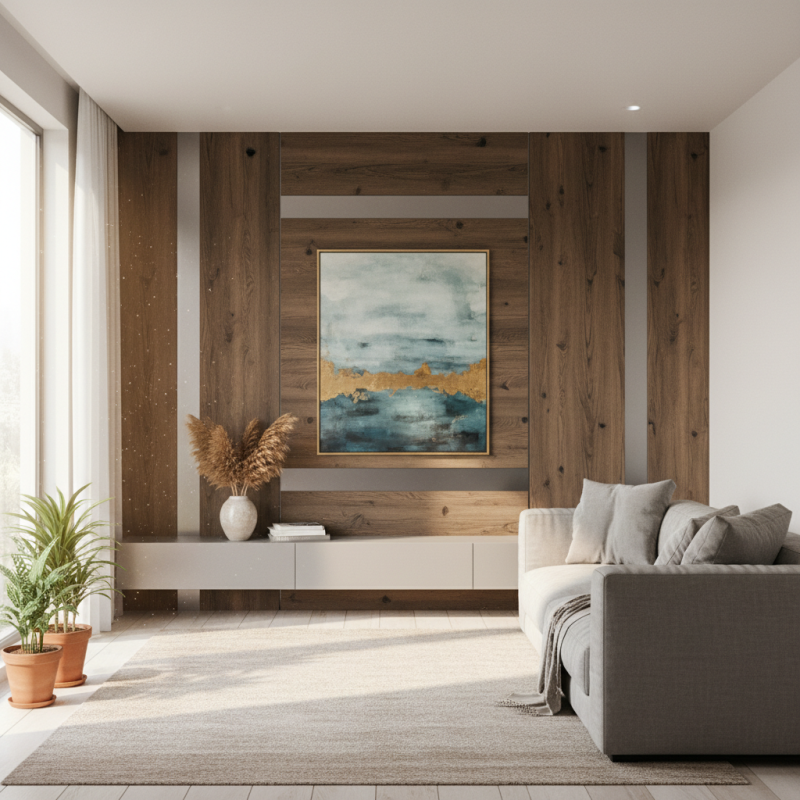
Understanding Wall Panels and Their Benefits for Home Decor
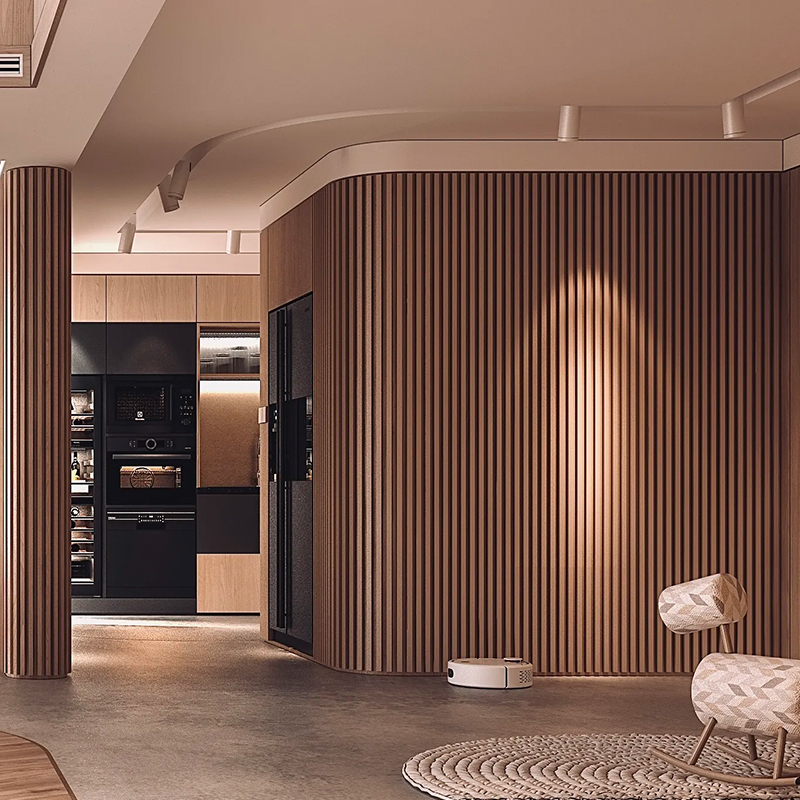
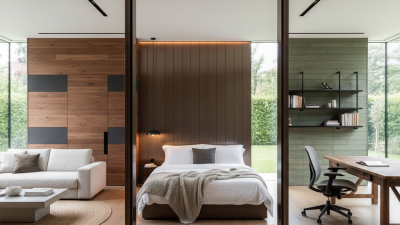
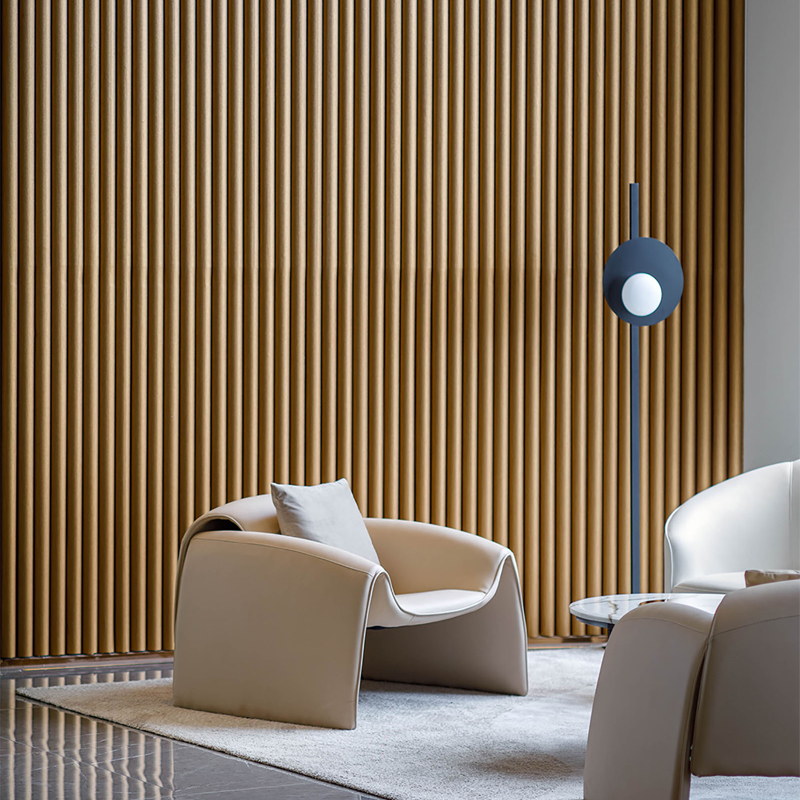
Wall panels are an innovative solution to enhance your home's aesthetic appeal while providing functional benefits. These panels come in various materials, such as wood, vinyl, or even fabric, offering versatility that suits different decor styles—from modern minimalism to rustic charm. One key advantage of wall panels is their ability to transform a room quickly and efficiently. Whether you want to create a striking feature wall or add subtle texture throughout your space, wall panels can be an ideal choice.
In addition to their visual appeal, wall panels can also contribute to improved insulation and soundproofing. They help maintain a comfortable temperature in your home by adding an additional layer of material that can trap heat during winter months. Furthermore, depending on the material used, some panels can help absorb sound, creating a quieter environment which is particularly beneficial in open-plan living spaces. By choosing the right wall panels, you not only enhance the overall decor but also increase the functionality of your living areas.
How to Choose the Best Wall Panel for Your Home Decor Needs
| Wall Panel Type | Material | Benefits | Ideal Use | Price Range |
| PlyWood Panels
| Plywood | Durable, customizable, easy to install | Living rooms, bedrooms | $30 - $70 per panel |
| MDF Panels | Medium Density Fiberboard | Smooth finish, versatile, cost-effective | Offices, home theaters | $40 - $90 per panel |
| Vinyl Panels | Vinyl | Water-resistant, easy to clean, stylish | Kitchens, bathrooms | $20 - $60 per panel |
| Laminate Panels | Laminate | Scratch-resistant, various designs | Commercial spaces, families | $25 - $80 per panel |
| Wood Panels | Natural wood | Premium look, eco-friendly | Luxury interiors, accent walls | $50 - $120 per panel |
Identifying Your Home Decor Style Before Choosing Wall Panels
Identifying your home decor style is a crucial first step when selecting wall panels that will enhance the overall aesthetic of your space. Begin by assessing the existing elements in your home, such as furniture, color schemes, and personal artifacts. Are you drawn to a modern minimalist aesthetic with clean lines and neutral colors, or do you prefer the warmth of rustic decor featuring natural wood and earthy tones? Understanding these preferences will guide you toward the wall panel designs that best resonate with your taste.
Once you have a clear grasp of your decor style, explore the various panel materials and finishes that complement it. For contemporary settings, consider sleek panels made from materials like metal or glossy acrylic. Alternatively, if you lean towards a more traditional or farmhouse style, wood panels with a distressed finish may be the perfect choice.
Additionally, take into account the texture and pattern of the panels; a bold patterned panel can serve as a statement piece, while solid-colored options can provide a subtle backdrop that enhances your decor without overwhelming it. By carefully aligning your wall panel selection with your established decor style, you can create a cohesive and inviting atmosphere in your home.
Exploring Different Materials for Wall Panels: Pros and Cons
When selecting wall panels for home decor, understanding the various materials available is essential to making an informed decision. Each material offers its own unique benefits and drawbacks, influencing not only the aesthetics of a room but also its functionality. For instance, wood panels create an inviting, warm atmosphere, but they require regular maintenance and can be susceptible to moisture damage. On the other hand, engineered wood or MDF offers a cost-effective alternative that mimics the appearance of real wood without the same level of upkeep, though they may not provide the same longevity.
Another popular choice is vinyl wall panels, which are celebrated for their durability and ease of installation. Vinyl is resistant to moisture, making it suitable for high-humidity areas like bathrooms and kitchens. However, the limited aesthetic variety compared to natural materials can be a drawback for those seeking a more personalized touch in their decor. Lastly, options like plaster or concrete panels deliver a modern, industrial vibe, but they can be heavier and more complex to install, requiring professional help.
By weighing the pros and cons of each material, you can choose wall panels that best align with your decor needs while ensuring durability and style.
Selecting the Right Color and Texture for Wall Panels
When selecting wall panels for your home decor, the right color and texture are crucial elements that can either enhance or detract from your overall aesthetic. Start by considering the mood you want to create in each room. For a calming atmosphere, soft, neutral colors like beiges and pale grays can be very effective. On the other hand, if you're looking to make a bold statement, rich jewel tones or deep, dark shades can provide a dramatic focal point. Remember that colors can interact with lighting in different ways, so it's wise to test your chosen hues in the actual space before making a final decision.
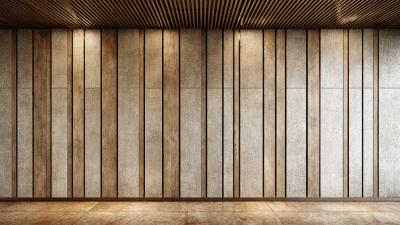
Texture also plays a significant role in the effectiveness of wall panels. Smooth finishes can create a sleek and modern look, while textured surfaces add depth and warmth to a room. For example, wood panels with a natural grain can introduce an organic feel, making spaces feel more inviting. Alternatively, contemporary materials like metal or 3D-printed designs can lend an industrial, avant-garde vibe. Consider the balance between texture and color; for instance, a vibrant color could be paired beautifully with a subtle texture to prevent overwhelming the space, ensuring that the wall panels enhance the decor harmoniously.
Measuring Your Space: How to Determine Wall Panel Sizes
When it comes to selecting wall panels for your home décor, accurately measuring your space is a crucial first step. According to recent industry reports, nearly 70% of homeowners underestimate the importance of precise measurements, leading to costly mistakes and unsatisfactory results. Start by using a tape measure to determine the height and width of the walls you are considering for panel installation. It is recommended to jot down these dimensions, as this will form the basis for your wall panel sizing. Ensure to measure at multiple points, especially if your walls are not perfectly straight, to capture the most accurate dimensions.
For optimal results, consider how the size of wall panels will influence the overall aesthetic of your space. Larger panels can create a more seamless appearance with fewer seams, and they are often easier to install. Conversely, smaller panels may offer more design flexibility but can require additional effort in installation. Industry experts suggest that utilizing panels between 2 to 4 feet in width may be ideal for standard room sizes, as this range can enhance the visual flow without overwhelming the room.
Additionally, remember to account for any architectural features such as windows, doors, or built-ins, which may affect panel placement and size. By diligently measuring your space and choosing the appropriate panel sizes, you can ensure a visually appealing and cohesive home design.
Installation Considerations: DIY vs. Professional Help
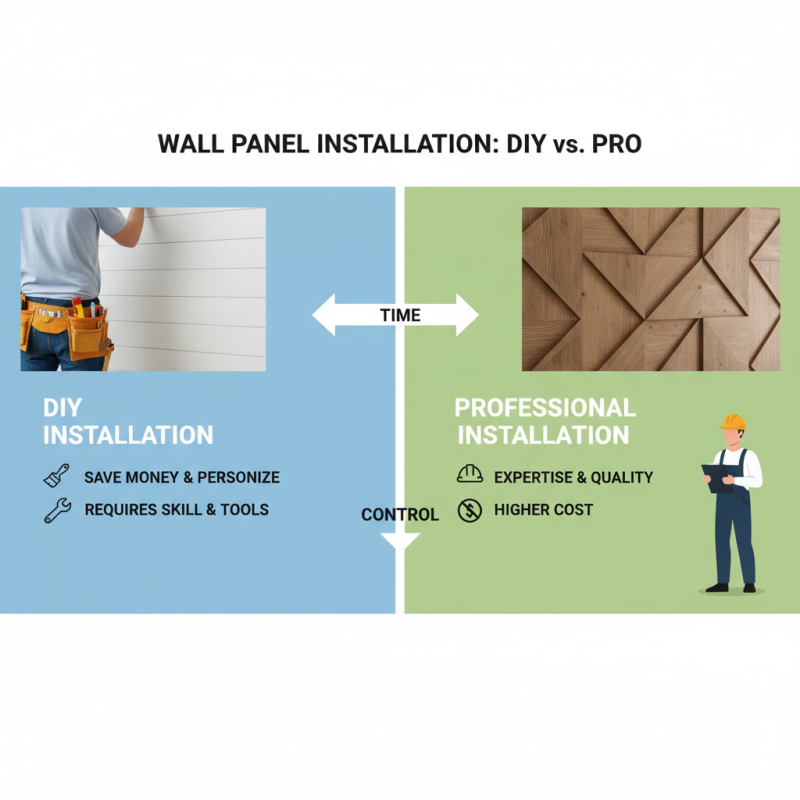
When considering the installation of wall panels, one of the first decisions homeowners face is whether to tackle the project as a DIY endeavor or to hire a professional. Opting for a DIY installation can be a rewarding experience, allowing individuals to add a personal touch to their home decor. It can also save money, as professional labor can sometimes be a significant portion of the overall costs. However, it requires a good understanding of the materials, tools, and processes involved in wall paneling. Beginners might find it challenging, especially with complex designs or materials that require precise handling.
On the other hand, hiring professional help can alleviate the stress associated with installation. Experienced contractors bring expertise that ensures the wall panels are installed correctly and efficiently, reducing the risk of mistakes that could lead to costly repairs later. Professionals are particularly beneficial for large-scale projects or when working with specialized materials that may need particular techniques. Ultimately, the choice between DIY and professional installation depends on the homeowner's skill level, budget, and the scope of the project, each option offering distinct advantages tailored to varying needs and preferences.
Maintaining Your Wall Panels for Longevity and Aesthetics
Maintaining your wall panels is crucial for ensuring their longevity and keeping your home decor looking fresh and appealing. Regular cleaning is a must—dust and grime can accumulate, making your panels appear dull. Depending on the material, a gentle wipe with a damp cloth and a mild detergent can do wonders. For wooden panels, consider using a specific wood cleaner to avoid damage, while vinyl or laminate panels can often be cleaned with soapy water.
In addition to regular cleaning, it's important to periodically check for any signs of wear or damage. Cracks or chips can not only detract from the aesthetics but may lead to more significant issues if not addressed. If you notice any damage, repair it promptly to prevent further deterioration. Additionally, consider applying a protective sealant on wood panels or specialized finishes for other materials to boost their resilience against moisture and wear.
**Tips:** Always test any cleaning solution on a small area first to avoid discoloration. Additionally, using coasters or furniture pads can help reduce scratches and dents, prolonging the life of your panels. Lastly, maintaining a stable indoor humidity level can prevent warping and other issues, especially for natural materials.
Wall Panel Material Preferences
This chart illustrates the preferences for different types of wall panel materials among homeowners. Wood is the most popular choice, followed by vinyl and fabric. Understanding these trends can help you make informed decisions for your home decor needs.
FAQS
: Start by assessing existing elements in your home such as furniture, color schemes, and personal artifacts. Determine whether you prefer modern minimalist aesthetics or rustic decor, as this understanding will guide your selection of wall panel designs.
For contemporary styles, sleek materials like metal or glossy acrylic work well. For traditional or farmhouse styles, wood panels with a distressed finish are ideal. Always choose materials that complement your established decor style.
Accurate measurements are crucial as nearly 70% of homeowners underestimate their importance. Precise dimensions help prevent costly mistakes and ensure satisfactory results in wall panel installation.
Use a tape measure to determine the height and width of the walls you want to cover. Record these dimensions, measuring at multiple points to capture any variations in the wall’s straightness.
Panels that are between 2 to 4 feet in width are generally ideal for standard room sizes. This size offers a good visual flow while minimizing seams and is often easier to install.
Architectural features like windows, doors, or built-ins can impact where and how you install wall panels. Always account for these elements when determining the size and placement of your panels.
Yes, the texture and pattern of wall panels can significantly influence your decor's overall look. Bold patterned panels can serve as statement pieces, while solid colors can provide a subtle backdrop.
Larger panels can create a more seamless appearance with fewer seams, making them easier to install. Smaller panels may offer more design flexibility but often require more effort during installation.
Measure at multiple points along the wall to capture any irregularities. This will help you achieve the most accurate dimensions for your wall panel selection.
Conclusion
When selecting the best wall panel for your home decor needs, it's essential to start by understanding the various types of wall panels available and their benefits. Wall panels not only enhance aesthetics but also provide functional advantages like insulation and soundproofing. Before making a choice, identify your home decor style to ensure the wall panel complements your existing theme.
Next, explore different materials, weighing their pros and cons, and consider the right color and texture to achieve your desired look. Accurate measurements of your space will aid in selecting the correct wall panel sizes. Additionally, consider installation options—whether to tackle it as a DIY project or hire professionals. Lastly, maintaining your wall panels is crucial for preserving their appearance and longevity, ensuring they remain a stylish feature in your home for years to come.

 Hot Selling