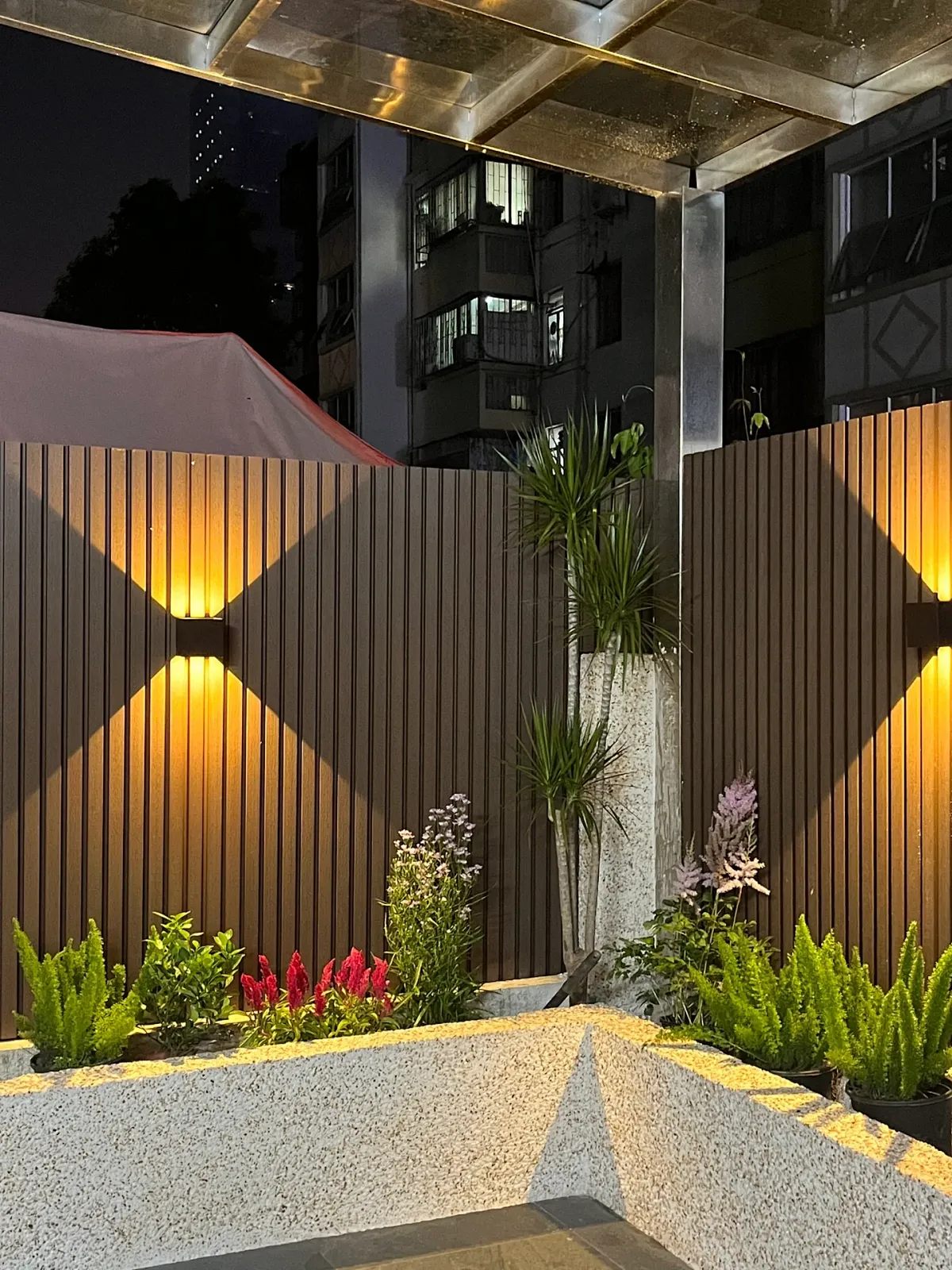
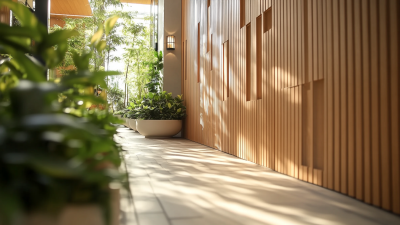
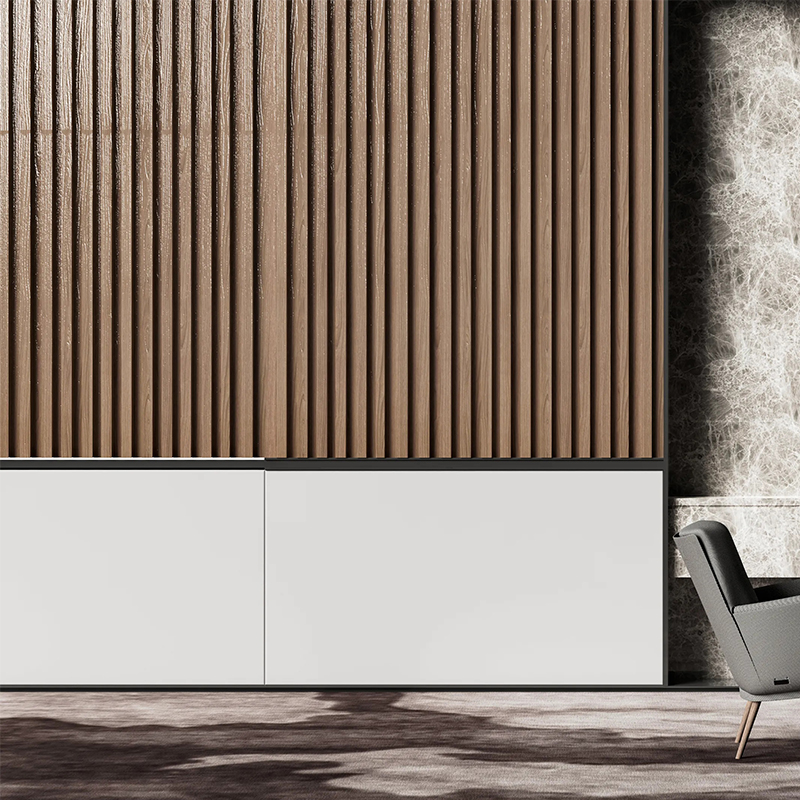
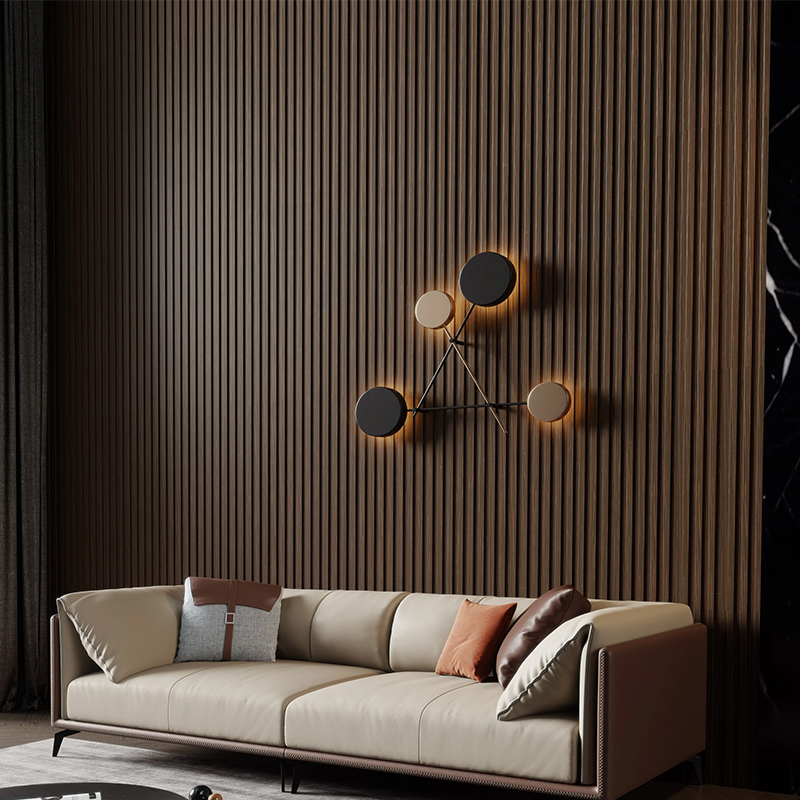
Picking the right Wpc Panelfor your project can actually be a bit tricky, you know? Industry pro John Smith from EcoPanel Solutions mentions, "Choosing the perfect Wpc Panel really boils down to understanding what you actually need." Every project’s different, after all.
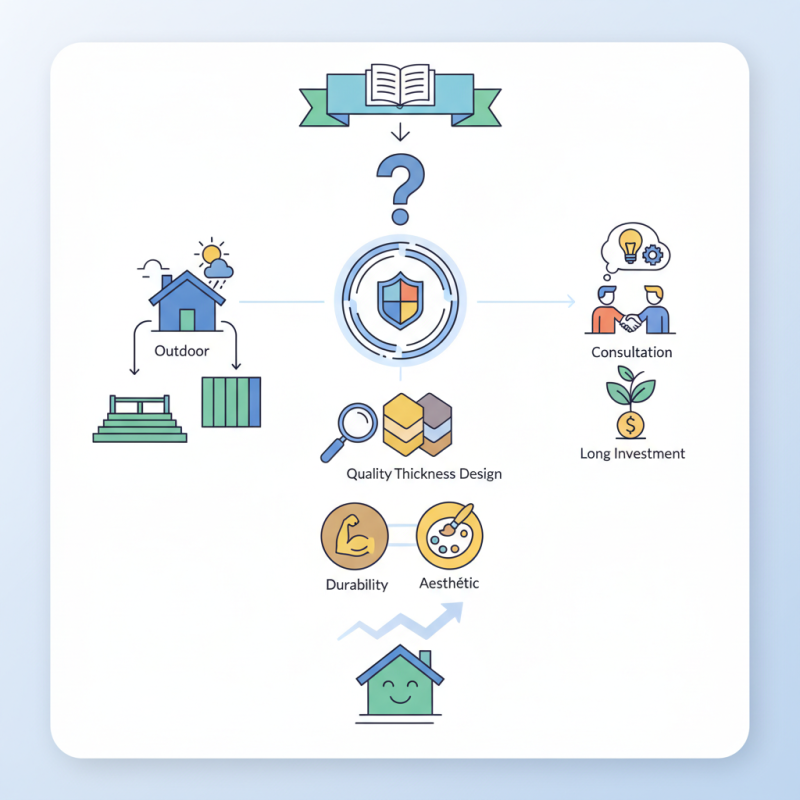
Wpc Panels come with a bunch of variations in quality, thickness, and design. Like, think about how durable they are and how good they look—both really matter. The right Wpc Panel can totally upgrade your project’s style while also lasting a long time. But honestly, a lot of folks tend to overlook these important details when they’re making a choice.
It’s a good idea to think about where and how you’ll be using the panel—whether it’s outdoors or indoors. Sometimes, it’s so easy to miss those key factors that could really affect performance. Take some time to do your homework and don’t hesitate to ask experts if you need to. Trust me, investing a little more effort into choosing the right Wpc Panel can save you a lot of headaches down the line.
Understanding WPC Panels and Their Components
WPC panels, or Wood Plastic Composite panels, are increasingly popular in construction and interior design. They are known for their durability and aesthetic appeal. These panels combine wood fibers with thermoplastics. This unique composition offers a weather-resistant product that can withstand various environmental conditions. According to recent industry reports, the WPC market is expected to grow steadily, driven by rising demand for sustainable building materials.
Wpc Wall Panel Interior applications are vast. From residential homes to commercial spaces, the adaptability of these panels makes them a favored choice. They are available in various finishes and colors, allowing for creative design options. Research shows that WPC panels can reduce energy costs due to their insulating properties, making them practical and eco-friendly.
Tips: When choosing WPC panels, consider their composition. Not all panels are created equal. Look for products with a higher percentage of wood fiber. This increases durability. Also, check the panel's surface finish. A textured finish can enhance aesthetics but may require more maintenance. Lastly, assess the installation requirements carefully; improper installation can lead to issues down the line.
Factors to Consider When Choosing WPC Panels
When selecting WPC panels for your project, several factors should be evaluated carefully. Durability is a key aspect. WPC panels can withstand weather changes better than traditional wood. They resist rot, warping, and pests. However, not all products are created equal. Examine the lifespan claims of different manufacturers.
Consider the aesthetic appeal as well. WPC panels are available in various colors and textures. Choose a design that complements your overall vision. Yet, be cautious about trendy designs that may quickly go out of style.
Tips: Always request samples before making a large purchase. Visualizing how the panel looks in your space is crucial. Also, check online reviews for insights. Sometimes, the feedback can reveal issues not mentioned in product descriptions. Remember to factor in your budget, but don't sacrifice quality for a lower price. Quality panels may save you money in the long run.
Types of WPC Panels Available in the Market
WPC panels come in various types, tailored for different applications. One popular type is the composite decking panel, known for its durability and weather resistance. These panels work well for outdoor spaces like patios and pool decks. They resist fading, splintering, and insects, making them a practical choice.
Interior WPC panels offer a different appeal. Often used for wall cladding, they provide a modern look while maintaining low maintenance. These panels are lightweight and easy to install, saving both time and effort. However, it’s important to choose panels that can withstand humidity, especially in areas like bathrooms or kitchens.
Another type to consider is the soundproof WPC panel, designed for noise reduction. These are ideal for residential and commercial spaces where sound control is essential. Keep in mind that while some panels offer great features, they can come at a higher cost. It's crucial to evaluate your project's budget against the benefits of different types of WPC panels.
Evaluating Durability and Longevity of WPC Panels
When selecting WPC panels, durability is a critical factor. It's essential to consider the materials used in the production process. High-quality WPC panels often combine wood fibers and plastic to create a strong product. Inspect the manufacturing process; it can reveal a lot about the panel’s longevity. Regular maintenance can also affect the lifespan.
Wpc Ceiling Panels should be resilient against moisture and UV exposure. Many panels boast water-resistant qualities, but not all perform equally. Before purchasing, check user reviews or ask about performance in specific conditions. Testing the panels under varying temperatures can offer insight into their durability. However, despite positive claims, some panels might still warp over time.
Consider environmental impacts as well. WPC is more eco-friendly than traditional materials. Still, it's important to verify sourcing practices. Not all WPC panels are created equal in this regard. Some manufacturers prioritize sustainability while others may cut corners. A thorough evaluation can prevent future regrets about your project’s materials.
How to Choose the Best WPC Panel for Your Project? - Evaluating Durability and Longevity of WPC Panels
| Panel Type | Durability (Years) | Water Resistance | Maintenance Level | Environmental Impact |
| Classic WPC Panel | 15-20 | High | Low | Recyclable |
| Coated WPC Panel | 20-25 | Very High | Medium | Low |
| Composite WPC Panel | 10-15 | Moderate | Low | Moderate |
| Eco-Friendly WPC Panel | 15-20 | High | Very Low | Recyclable & Biodegradable |
Cost Comparison: WPC Panels vs. Traditional Materials
When considering materials for your project, WPC panels are often compared to traditional options. They offer unique advantages and disadvantages that are worth analyzing. The cost of WPC panels can be lower than wood, especially when factoring in maintenance. Traditional materials typically require regular treatment and upkeep, which can add to the overall expense over time.
Here’s a tip: Calculate the life cycle cost. Include installation, maintenance, and potential replacement. You might be surprised by the numbers. WPC panels, made from recycled materials, often have a lower environmental impact as well. This could be a cost-saving factor in your budget, considering eco-friendly projects may attract incentives.
Another consideration is durability. WPC panels resist moisture and insects better than wood. However, they may not have the same aesthetic appeal. Some people prefer natural materials for their charm, despite the additional costs involved. Balance aesthetics and budget carefully. Keep in mind that what saves you money initially may require investment later. Always reflect on the trade-offs before making a decision.
Installation Requirements for WPC Panels
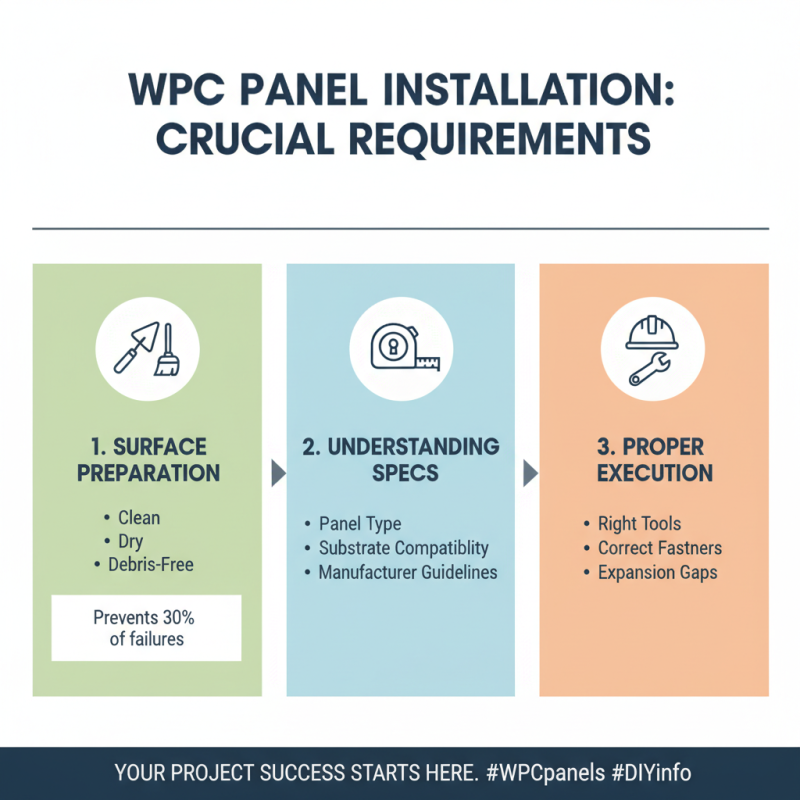
When considering the installation of WPC panels, it’s vital to understand the specific requirements. The right preparation can significantly impact your project's outcome. Research from industry reports indicates that 30% of installation failures stem from inadequate surface preparation. Thus, ensure the area is clean, dry, and free of debris before starting.
Panel Wpc Interior applications benefit from maintaining temperature control during installation. Wood-plastic composites often expand and contract with temperature fluctuations. Maintaining the recommended temperature range of 60 to 80 degrees Fahrenheit can help mitigate potential issues. Additionally, it's crucial to allow the panels to acclimate for 48 hours prior to installation. This simple step can significantly enhance performance and longevity.
Attention to detail is essential during the fastening process. Many installers overlook the spacing requirements for expansion gaps. Improper spacing can lead to warping and buckling. It’s recommended to leave at least 1/8 inch of space between the panels and walls. This often ignored tip can save time and money later. Monitoring these factors closely will lead to a smoother installation.
Environmental Impact and Sustainability of WPC Panels
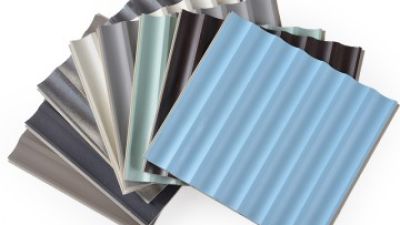
When selecting WPC (Wood-Plastic Composite) panels for your project, consider the environmental impact. WPC panels, including the Wpc Fluted Wall Panel, often use recycled materials. This reduces waste and promotes sustainability. However, not all products are created equal. Always inspect the recycling percentage. Look for manufacturers who prioritize eco-friendly production.
Tips: Check for certifications that verify sustainability claims. Ensure the panel is sourced responsibly. Pay attention to the longevity of the materials. Sometimes, cheaper options may not last. They can lead to more waste over time. Sustainable choices should also consider their lifecycle.
WPC panels can have varying impacts on the environment. While they can be more sustainable than traditional materials, their production can still involve harmful processes. Reflect on the entire lifecycle from production to disposal. Research the environmental policies of the manufacturers. Aim for products that balance quality with eco-conscious practices. This way, you can make a more informed choice for your project.
Environmental Impact and Sustainability of WPC Panels
Innovative Eco-Friendly Interior Design: Elevate Your Space with Bamboo Fiber Decorative Wall Panels and WPC Cladding Solutions
In recent years, there has been a pronounced shift towards the use of sustainable materials in interior design, with bamboo fiber decorative Wall Panels and wood-plastic composite (WPC) cladding emerging as frontrunners in eco-friendly solutions. Bamboo, known for its rapid growth and renewability, provides a unique aesthetic appeal while minimizing environmental impact. Incorporating bamboo fiber wall panels in your space not only enhances the natural beauty but also contributes to a healthier indoor atmosphere, as bamboo has natural antibacterial properties.
WPC indoor grille wall panels represent a breakthrough in multifunctional decorative materials. The combination of wood fibers and plastic creates a robust solution that harnesses the warmth of natural wood while ensuring durability and moisture resistance. According to recent industry reports, the market for WPC products is expected to reach 9.5 billion USD by 2026, driven by growing consumer demand for sustainable construction materials. This blend of utility and style makes WPC an ideal choice for modern interior designs, where both form and function are essential.
Moreover, the rise of eco-friendly interior design trends reflects a broader commitment to sustainability in the construction industry. As reported by the Green Building Council, buildings utilizing sustainable resources can reduce their carbon footprint by up to 40%, showcasing the environmental benefits of integrating materials like bamboo and WPC. This not only creates inviting and aesthetically pleasing spaces but also aligns with the growing awareness and responsibility among consumers and designers alike toward fostering sustainable living environments.
FAQS
: Regular exercise boosts mood and energy levels. It promotes better sleep and overall health.
Begin with short sessions. Aim for 20 minutes a day. Gradually increase duration and intensity.
Walking, cycling, and swimming are great options. Bodyweight exercises can also help build strength.
Nutrition fuels the body. Balanced meals enhance performance and recovery. Don’t skip meals; it leads to poor choices.
Yes, exercise reduces stress effectively. It releases endorphins, which improve mood. Consistency is key; results take time.
Many push too hard initially. Others neglect warming up or cooling down. Listen to your body and rest when needed.
Aim for at least three to five times a week. Consistency matters more than intensity at first.
Stop immediately and assess the pain. Ignoring it may lead to injuries. Consider consulting a professional if it persists.
Set small, achievable goals. Tracking progress can provide motivation. Find a workout buddy to encourage one another.
Lack of exercise can lead to weight gain and health issues. It may also cause fatigue and increase stress levels.
Conclusion
When selecting the best WPC panel for your project, it’s crucial to understand the components and characteristics that define WPC (Wood Plastic Composite) panels. Consider factors such as the specific application requirements, the types of WPC panels available in the market, and their durability and longevity. Evaluating these aspects can help you determine the right panel for your needs.
Additionally, cost comparisons between WPC panels and traditional materials are essential for budgeting, while understanding installation requirements can facilitate a smoother project execution. Lastly, keep in mind the environmental impact and sustainability of WPC panels, as they often offer eco-friendly benefits compared to conventional building materials. By carefully assessing these factors, you can make an informed decision that aligns with your project's goals and values.

 Hot Selling