Shandong Xiangying New Materials Technology Co., Ltd.

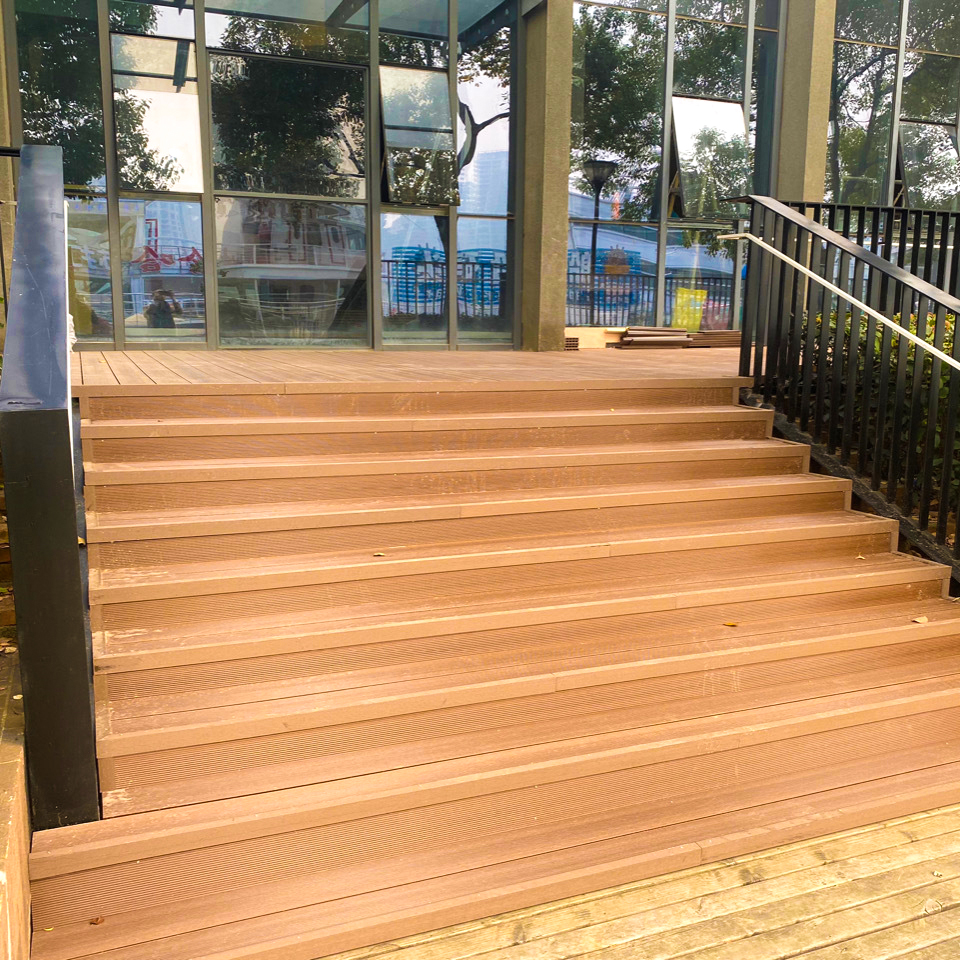
Lately, there's been a real buzz around sustainable building materials. You know, the global market for eco-friendly products is expected to hit a staggering USD 1 trillion by 2027, according to a report from Research and Markets—that’s pretty incredible! One material that's really catching people’s eye is WPC (Wood Plastic Composite) Board. It’s pretty impressive because it can be made with up to 70% recycled content, which is great for the environment. Plus, it’s durable and looks good, so it’s perfect for everything from construction projects to furniture. Here at Shandong Xiangying New Materials Technology Co., Ltd., we've been making high-quality Wpc Boards for over ten years. We stick to our core values of good service and honesty—it's how we build trust with our clients. We’re all about working together and creating win-win situations, because that’s how we can really push towards a greener, more sustainable future in the building materials world.
You’ve probably heard about WPC (Wood Plastic Composite) boards, and honestly, they’re really starting to catch on in sustainable building projects. They’re made up of around 70% recycled materials, which is pretty cool when you think about how much waste they help reduce. Using recycled wood fibers and plastics doesn’t just cut down on waste — it also helps lower the carbon footprint linked to making building materials. So, in a way, choosing WPC boards is a smart move if you're into green building standards or just want to do your part for the environment.
But it’s not just about being eco-friendly. These boards are tough stuff — they resist rot, pests, and moisture, which means they last way longer than regular wood. That’s a huge plus because it means less maintenance and fewer replacements down the line. Plus, they look pretty versatile! You can customize them to match different design styles, all while keeping things environmentally responsible. By opting for WPC in your projects, you're not just building something durable — you’re also helping create a more sustainable future. It’s a win-win situation if you ask me, combining good looks, performance, and eco-consciousness all in one go.
Wood Plastic Composite (WPC) boards are honestly a real game-changer when it comes to sustainable building stuff. They can be made up of as much as 70% recycled materials, which is pretty impressive! Basically, they mix wood fibers or sawdust with thermoplastics, creating a product that not only cuts down on waste but also lasts longer. Using recycled parts isn’t just good for the environment—it also helps reduce the carbon footprint compared to traditional building materials. Pretty cool, right?
Here at Shandong Xiangying New Materials Technology Co., Ltd., we really get how important eco-friendly practices are. We’re all about making top-quality WPC boards that you can trust. With over ten years in the game, we try to build real trust and teamwork through genuine service and a straightforward approach. Our products strike a nice balance between performance and being kind to the planet, making them a smart pick for designers and builders who care about sustainability. Our goal? To work together with our clients in a way that’s beneficial for everyone—customers, us, and the environment alike.
Wood-Plastic Composite (WPC) boards are really gaining popularity as a more sustainable building material, mainly because they contain around 70% recycled content. I mean, according to a report by the American Institute of Architects, using recycled materials in construction can cut down your carbon footprint by about 30% compared to traditional options. WPC boards are a perfect example of this—they combine recycled wood fibers and plastics, which not only helps cut down on the need for new resources but also keeps tons of waste out of landfills.
But it's not just about being recycled. These boards are actually built to last. Reports from the Journal of Cleaner Production show that WPC boards can last over 25 years without much wear and tear, so you’re not constantly replacing them. That’s a huge plus because it means fewer manufacturing needs and less waste over time. Plus, by making good use of waste materials and reducing resource use, WPC boards really support a circular economy in the construction world—just another step towards global sustainability goals. Pretty cool, right?
| Dimension | Value | Description |
|---|---|---|
| Recycled Content | 70% | Percentage of materials sourced from post-consumer and post-industrial products. |
| Lifespan | 25 years | Expected operational lifespan of WPC board in various environmental conditions. |
| Carbon Footprint Reduction | 30% | Estimated reduction in carbon emissions compared to traditional materials. |
| Water Resistance | Excellent | WPC boards have high resistance to moisture and decay. |
| Recyclability | 100% | Can be recycled at the end of its life cycle, contributing to a circular economy. |
| Maintenance | Low | Requires minimal upkeep compared to wood and other traditional materials. |
Have you heard about Wood-Plastic Composite (WPC) boards? They're really starting to catch on as a eco-friendly building material, mainly because they contain up to 70% recycled stuff. Basically, they’re made by blending plastic with wood fibers, and you’re seeing these being used not just for the usual things like decks and fences but also in more innovative ways—think infrastructure projects and modern architectural designs. It’s pretty cool how versatile and sustainable they are.
When it comes to what’s inside these boards, they mostly use plastics like PVC, PP, and PE. Each one brings something different to the table—PVC, for instance, is super durable and resistant to the elements, while PP and PE make the material more flexible and easier to work with. By mixing different plastics, manufacturers can customize WPC boards for all sorts of building needs. And from what I’ve observed regionally, urban areas are really embracing WPC, especially where there’s a push for greener construction practices. All in all, it looks like the future of eco-friendly building materials is pretty bright.
Wood-Plastic Composite (WPC) boards are really making a buzz in the building world these days, especially when you compare them to the old-school materials like plain wood or concrete. I read somewhere—thanks to a report from the Research Institute for Forests and Sustainable Development—that WPCs can be made with up to 70% recycled stuff. That’s pretty cool because it means less waste and a smaller carbon footprint overall. Unlike traditional wood, which often means lots of trees getting cut down and habitats being destroyed, WPCs use recycled plastics combined with wood fibers — so, it’s kind of a win-win for the environment and our forests.
Plus, WPC boards are way more durable. They resist moisture, pests, and decay much better than regular wood. I saw a study from the National Association of Home Builders that says these boards can last up to ten years longer than traditional wood. That means less hassle and fewer expenses on upkeep for both builders and folks just trying to keep their homes in good shape. And the best part? You can find WPC in all kinds of textures and finishes, so it doesn’t have to look boring or cheap — you get design flexibility without sacrificing eco-friendliness. Honestly, if the construction industry embraces WPC more, it could really make a difference — helping us build smarter and greener, with materials that actually perform better too.
The development of Wood Plastic Composite (WPC) boards really marks a huge shift in the construction world, especially as everyone’s starting to focus more on sustainable materials that use a lot of recycled content. In fact, these WPC boards can be made with up to 70% recycled materials! Not only does that help the environment, but it also means they’re super durable and versatile, perfect for all kinds of building projects. It's all part of the bigger trend around the globe—cutting down waste and pushing for eco-friendly resources.
Here at Shandong Xiangying New Materials Tech Co., Ltd., we genuinely see the huge potential of WPC boards in tackling the challenges of sustainable construction. With more than ten years under our belt, we’re dedicated to providing top-quality products that meet what our customers need now and in the future. We’re all about innovation and eco-conscious practices, so we stay ahead of the game and see WPC boards as a reliable choice for upcoming projects. We really believe in building trust through honest service and authentic relationships, hoping to support a greener, more sustainable future in building and design.
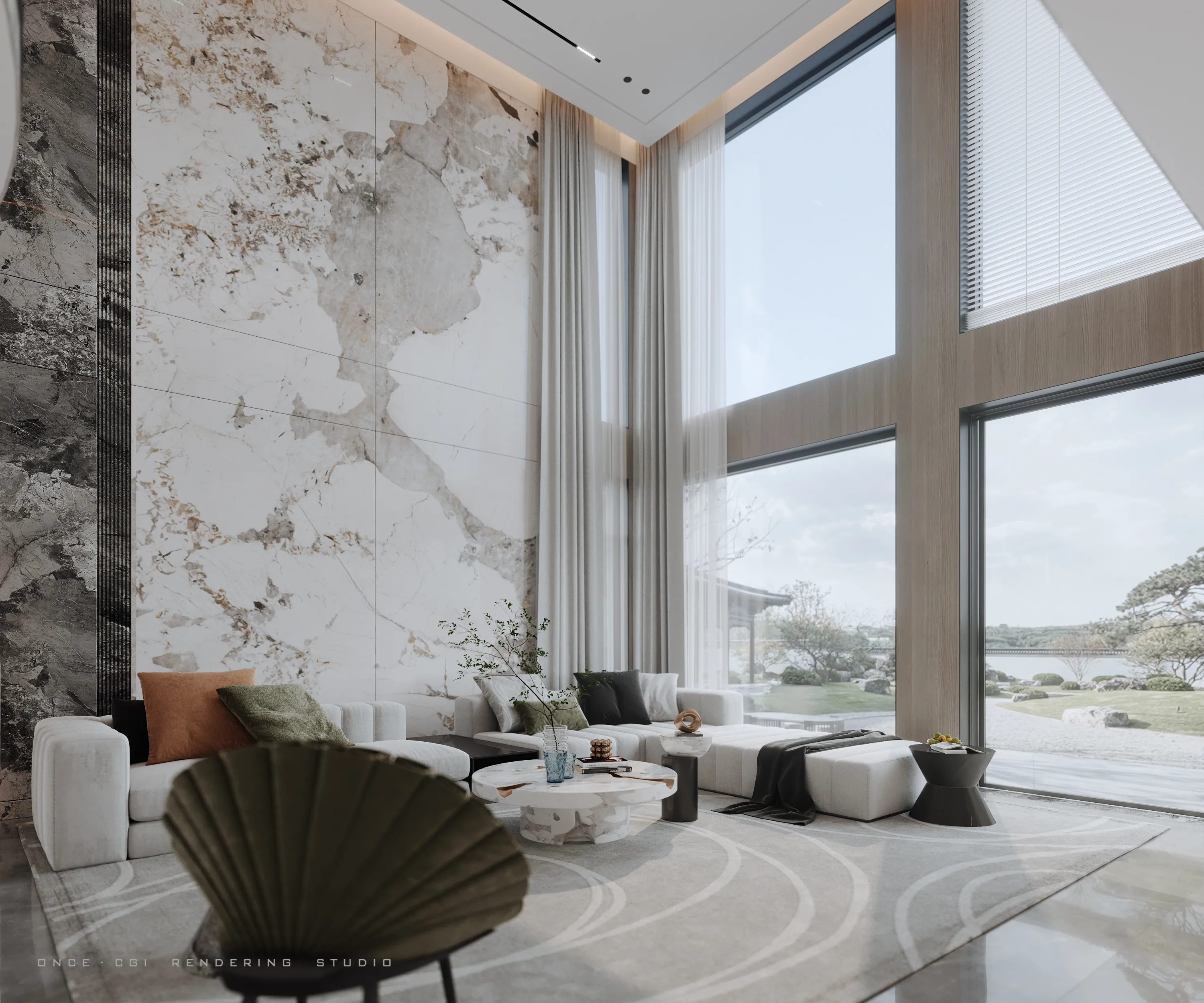
In the realm of innovative indoor interior design, the emergence of formaldehyde-free, moisture-proof, and fire-resistant materials has gained significant attention. One striking option among these is the Uv Marble background wall panel, which not only meets safety standards but also offers aesthetic appeal. Reports from the Building & Construction Research Group indicate a rising demand for eco-friendly building materials, projected to grow by 10% annually through 2025.
The UV marble background wall panel is constructed from solid microcrystalline stone, available in thicknesses ranging from 3 to 18 millimeters, with standard dimensions measuring 1.22 meters in width and 2.44 meters in length. Unlike traditional marble, this innovative product boasts a smooth surface, high density, and exceptional resistance to stains, scratches, and wear, making it suitable for high-traffic areas. Its realistic imitation marble finish provides an upscale look that enhances any interior space while keeping costs significantly lower than natural marble, thus delivering impressive cost-effectiveness.
Furthermore, the moisture-proof and fire-resistant properties of these panels address critical concerns in modern architecture. As noted by the National Association of Home Builders, non-combustible materials are increasingly preferred in residential and commercial construction due to safety regulations. The UV marble panel encapsulates these essential characteristics, positioning itself as a viable choice for designers seeking stylish yet practical wall solutions. With its combination of durability, safety, and elegance, the UV marble background wall panel represents a leap forward in contemporary wall design.
: WPC boards are composed of approximately 70% recycled materials, specifically recycled wood fibers and plastics.
WPC boards provide superior durability, resistance to rot, insects, and moisture, and can outlast wood by up to 10 years. They also lower maintenance and replacement costs.
The use of recycled materials in WPC boards reduces waste and carbon emissions associated with production, promoting a circular economy and minimizing environmental impact.
Yes, WPC boards can be produced in various textures and finishes, offering aesthetic versatility while adhering to environmentally responsible construction practices.
Although the initial investment may vary, the long lifespan and reduced maintenance costs of WPC boards make them an economically viable choice over time.
The ongoing shift towards sustainable building practices and the use of high recycled content materials in construction are driving the development of WPC boards to meet evolving industry demands.
Companies like Shandong Xiangying are focused on innovation, high-quality production, and sustainable practices, aiming to lead the industry towards more eco-friendly building solutions.
Yes, due to their durability and versatility, WPC boards can be suitable for a variety of building applications while promoting sustainable construction practices.
WPC Board is becoming an increasingly popular choice in eco-friendly building projects, mainly because it’s made up of about 70% recycled materials. It’s pretty impressive how this innovative material not only looks good and lasts longer but also helps the environment by cutting down waste and reducing carbon emissions. More and more architects are now exploring all the cool ways to use WPC Board in modern design — it really proves to be a versatile alternative to traditional building materials and shows a real commitment to sustainability.
Right now, the development of WPC Board is moving full steam ahead, which makes sense given the rising demand for greener construction options. Companies like Shandong Xiangying New Materials Technology Co., Ltd. are leading the charge, using over ten years of experience to create high-quality, eco-friendly WPC Boards. They focus on good service and working together with customers, aiming to meet their needs while also pushing for more environmentally conscious building practices.