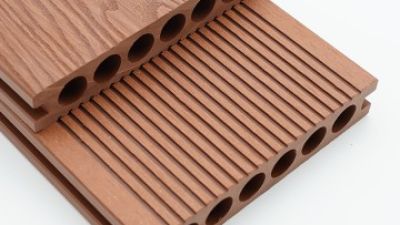
Thinking about your next project? You should really consider Wall Panels WPC — they’re a pretty great choice. These panels aren’t just stylish; they’re tough and built to last. Plus, they’re eco-friendly too, often made from recycled stuff, which is a big plus if you're into sustainability. Whether you're sprucing up a home or revamping a commercial space, Wall Panels WPC can add that modern edge you're after.
But hey, it’s not just about looking good. These panels are engineered to withstand a lot — they resist moisture, pests, and all that mess. And the best part? They don’t need a ton of maintenance compared to traditional materials, which saves you time and worries. They can stick around for years, making them pretty cost-effective over time. That said, make sure you buy from a reputable supplier — you know, to avoid inconsistencies like uneven color or texture. A little careful planning can go a long way.
If you’re after something versatile, Wpc Wall panels really fit the bill. They’re straightforward to install, which means you might save some on labor costs too. Whether you’re aiming for a cozy, inviting home or a sleek, professional vibe at your business, these panels bring a fresh, modern touch. And don’t forget, mixing in other materials — like some awesomeWholesale Fence Panels Outdoor 3D Panels — can really boost your design game and give your space that extra wow factor.
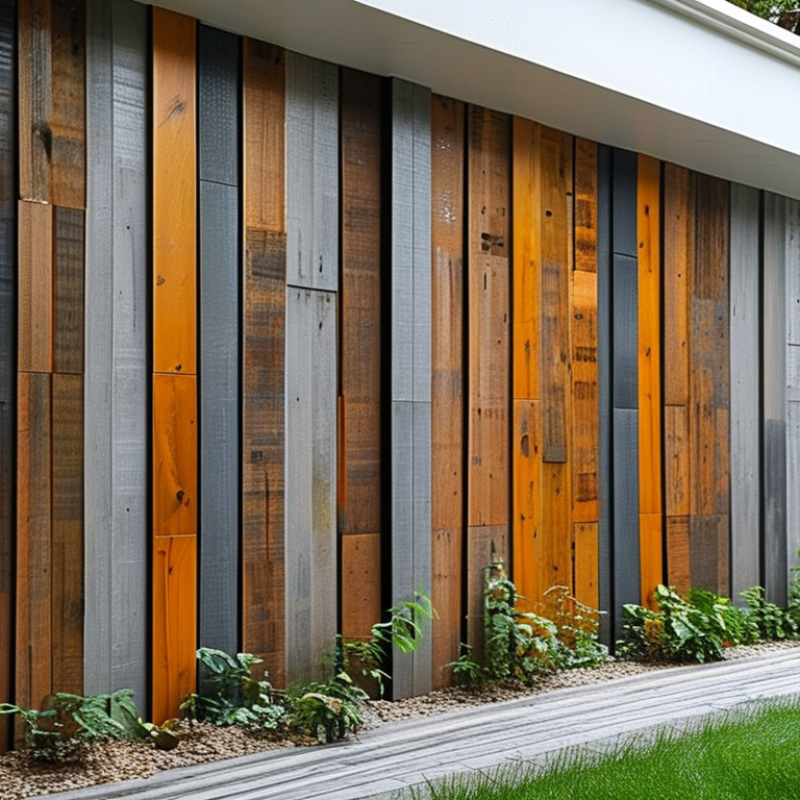
Benefits of Using WPC Wall Panels in Construction Projects
WPC wall panels are gaining popularity in construction projects. These panels combine wood and plastic, offering a unique blend of aesthetics and durability. They are resistant to moisture, making them ideal for various environments. Builders appreciate their lightweight nature, which simplifies installation.
Using WPC wall panels can reduce maintenance costs over time. Unlike traditional materials, they do not require frequent painting or sealing. This can lead to significant long-term savings for homeowners and developers. However, some may question their environmental impact. While WPC is made from recycled materials, the production process still carries an ecological footprint.
The versatility of Wall Panels Wpc is impressive. They can be used in both interior and exterior applications. From residential spaces to commercial buildings, WPC adapts well to any design. Some might find them less traditional compared to genuine wood. This raises discussions about personal preferences in aesthetics. Balancing durability and charm is essential when choosing materials.
Durability and Maintenance Advantages of WPC Panels
WPC panels offer impressive durability and low maintenance, making them ideal for various projects. These wall panels can withstand harsh weather conditions, including rain, UV rays, and fluctuating temperatures. Their resistance to rot, warping, and pests enhances not only the lifespan but also the reliability of your structure. When choosing WPC panels for exterior walls, you invest in a product designed for longevity.
Maintenance is often a concern for many builders and homeowners. WPC panels require minimal upkeep compared to traditional materials. A simple wash with soap and water keeps them looking new. They do not need regular painting or sealing, saving time and money. However, it is essential to monitor them for signs of wear, as even the most durable materials can develop surface scratches or stains over time.
The versatility of WPC panels allows various design options. They come in numerous colors and textures, helping to achieve the desired aesthetic. It is important to assess your specific needs and ensure that your choice complements the overall design. While WPC panels offer many advantages for exterior walls, reflecting on their long-term performance in your specific environment is crucial. A thoughtful approach can maximize their benefits and enhance your project's success.
Aesthetic Flexibility: Design Options with WPC Wall Panels
When it comes to aesthetic flexibility, WPC wall panels stand out as a versatile choice for designers and builders alike. These panels offer a myriad of design options, allowing for creative freedom in various projects. From contemporary to rustic themes, WPC panels can complement any style. A report from the Wood Plastic Composites Alliance indicates that WPC materials can achieve more than 25% better aesthetic appeal compared to traditional wood options.
Textures and finishes are where WPC truly shines. Whether you prefer a smooth, polished look or a textured surface that mimics natural wood grain, there’s a WPC solution. This flexibility contributes to lower maintenance costs—as a study by the National Association of Home Builders shows, properties with WPC finishes tend to require 20% less upkeep compared to other materials. Aesthetics and practicality can coexist beautifully.
Tips: When selecting WPC panels, consider your project's overall theme. Always request samples to visualize the final look in your space. Don’t overlook lighting; it can dramatically affect the appearance of your chosen finish. Customization options are also available, allowing for unique color combinations that enhance the design further. However, be mindful of consistency across your project to avoid a disjointed appearance.
Why Choose Wall Panels WPC for Your Next Project?
Environmental Impact: Sustainability of WPC Materials
When considering materials for your next project, WPC wall panels stand out as a sustainable choice. The environmental impact of construction often raises concerns. WPC, or wood-plastic composite, offers a solution. It combines recycled wood fibers and plastic, reducing waste in landfills. China Wall Panels Wpc emphasizes the importance of using sustainable materials in modern architecture.
One crucial aspect of WPC is its low toxicity. Unlike traditional materials, WPC panels release fewer harmful chemicals. This property improves indoor air quality, a significant benefit for health-conscious consumers. Additionally, WPC is durable and resistant to moisture. These qualities extend the lifespan of buildings, reducing the need for frequent replacements. However, some may worry about the aesthetic appeal. While WPC can mimic natural wood, it might lack the warmth and charm of real lumber.
Another consideration is the manufacturing process. Although much of the material is recycled, not all production methods are environmentally friendly. It's essential to research the sourcing of these panels. Some manufacturers may prioritize profits over sustainability. Ensuring you choose the right WPC panels will ultimately determine your project’s overall impact on the environment.
Cost Effectiveness: Budgeting with WPC Wall Solutions
When considering wall panels for your next project, WPC (Wood Plastic Composite) solutions offer cost-effective advantages. A recent market report indicates that WPC products can reduce material costs by up to 30% compared to traditional materials. This reduction can significantly impact budget constraints, especially for larger projects. Investing in WPC means more than just savings; it also ensures durability and low maintenance, translating to long-term financial benefits.
Installation costs for WPC panels are generally lower due to their lightweight nature. Many contractors report that they save on labor costs by using these materials. In fact, studies show a decrease in installation time by about 25% compared to conventional wall materials. However, while WPC is designed to be low-maintenance, it is important to choose the right specifications for your project to avoid potential issues like fading or warping in extreme climates. Proper research and consultations can mitigate these risks, ensuring that your project stays on track both time-wise and financially.
Why Choose Wall Panels WPC for Your Next Project? - Cost Effectiveness: Budgeting with WPC Wall Solutions
| Dimension | WPC Wall Panels | Traditional Materials |
| Cost per Square Foot | $3 - $6 | $5 - $12 |
| Installation Time (per 100 sq ft) | 3 hours | 5 hours |
| Lifespan | 25 years | 15 years |
| Maintenance Cost (per year) | $150 | $300 |
| Environmental Impact | Low | Medium |
Installation Process: Ease and Efficiency of WPC Paneling
Installing WPC (Wood Plastic Composite) wall panels can be surprisingly simple and efficient. The lightweight nature of these panels makes handling easy. This is especially beneficial for DIY enthusiasts. Usually, no special tools are required. A basic toolkit is often sufficient. You can cut panels with standard saws. This accessibility encourages more people to take on the project themselves.
The installation process itself involves straightforward steps. Begin by securing a framework on the wall. This can be done with metal or wooden studs, providing a sturdy base. Next, apply adhesive or screws to attach the panels securely. Many users have found that WPC panels align well, minimizing gaps. This improves both the look and insulation of the finished surface.
Some challenges may arise, such as uneven wall surfaces. It's worth taking the time to address these before installation. Using shims can help create an even surface. Also, be aware of potential environmental conditions. High moisture areas might require additional sealing. Proper preparation will enhance the durability and longevity of your panels.
Comparing WPC Panels to Traditional Wall Materials
When considering wall materials, traditional options like drywall and wood often come to mind. However, WPC (Wood Plastic Composite) panels offer unique advantages. They are lightweight yet durable, making installation a breeze. In contrast, traditional materials can be heavy and may require more support. WPC panels resist moisture, preventing mold growth. This feature is crucial in areas like bathrooms and kitchens where humidity levels are high.
Furthermore, WPC panels can mimic the appearance of natural wood, providing aesthetic flexibility without the drawbacks. Unlike wood, which can warp or crack over time, WPC maintains its shape. They are also available through Wholesale Wall Panels Wpc offerings, making them an economical choice for large projects. While traditional materials often need regular maintenance, WPC requires little upkeep, ensuring savings over time. However, some may argue that WPC lacks the authenticity of real wood. It's essential to weigh both sides before making a decision.
Choosing the right material is critical. WPC panels offer a reliable alternative that balances style and practicality. As with any project, it’s important to reflect on your specific needs and environment. There are benefits and drawbacks to every choice. A thorough understanding will guide you to the best decision for your next project.
Ultimate Guide to Choosing 3D Embossed WPC Decking for Your Custom Swimming Pool: Enhance Aesthetics and Durability
When it comes to enhancing the aesthetics and durability of your custom swimming pool, choosing the right decking material is crucial. 3D embossed WPC (Wood Plastic Composite) decking has emerged as a popular choice among homeowners and designers alike due to its striking appearance and robust performance. Made from a blend of polyethylene and wood or bamboo powder, this innovative decking solution combines the natural beauty of wood with the resilience of plastic. According to a recent industry report, the WPC decking market is projected to grow significantly over the next few years, indicating an increasing demand for materials that offer both style and functionality in outdoor spaces.
The manufacturing process of WPC decking involves high-speed mixing of raw materials, which results in pellets that are then extruded into the desired shape. This method not only ensures a consistent quality but also allows for diverse design options, including 3D embossed patterns that mimic the look of natural wood. This aesthetic appeal is not just superficial; WPC decking is engineered to withstand harsh outdoor conditions, making it resistant to fading, cracking, and warping. Industry data shows that WPC products can last up to 25 years with minimal maintenance, significantly outpacing traditional wood decking in terms of longevity and durability.
Moreover, the environmental benefits of WPC decking cannot be overlooked. With its sustainable components and the recycling of materials, WPC offers an eco-friendly solution for homeowners looking to minimize their carbon footprint while still achieving a luxurious finish around their swimming pools. Therefore, if you're aiming to create a visually stunning and long-lasting outdoor retreat, investing in 3D embossed WPC decking is a choice that combines beauty, durability, and sustainability.
FAQS
: WPC panels are durable, low maintenance, and can withstand harsh weather. They resist rot, warping, and pests.
WPC panels need minimal upkeep. A wash with soap and water keeps them looking new without regular painting.
Yes, but consider your climate. Proper choice ensures they won’t fade or warp in extreme conditions.
Assess wall surfaces for evenness. Uneven walls may need shims for better alignment and finishing.
WPC panels can reduce material costs by up to 30%, making them budget-friendly for larger projects.
No, it's relatively simple. Basic tools are usually enough. The lightweight design helps DIY enthusiasts.
Yes, uneven surfaces may pose challenges. It's essential to address these prior to installation for a good finish.
Their durability and low maintenance can lead to significant savings over time, beyond just initial costs.
No special tools are necessary. A standard toolkit is sufficient for most installation processes.
WPC panels come in various colors and textures, allowing for diverse design options for any project.
Conclusion
Wall Panels WPC (Wood-Plastic Composite) are becoming an increasingly popular choice for construction projects due to their numerous benefits. These panels offer exceptional durability and require minimal maintenance compared to traditional wall materials, making them a practical solution for various environments. Additionally, WPC wall panels provide aesthetic flexibility, allowing for a wide range of design options that can enhance the visual appeal of any space.
Beyond their performance and design advantages, Wall Panels WPC also boast sustainability, as they are made from recycled materials. This eco-friendly aspect contributes to their favorable environmental impact. Furthermore, they prove to be cost-effective solutions, fitting into various budgets without compromising quality. The ease and efficiency of the installation process make WPC panels an ideal choice for contractors and homeowners alike, setting them apart from conventional wall materials.

 Hot Selling